
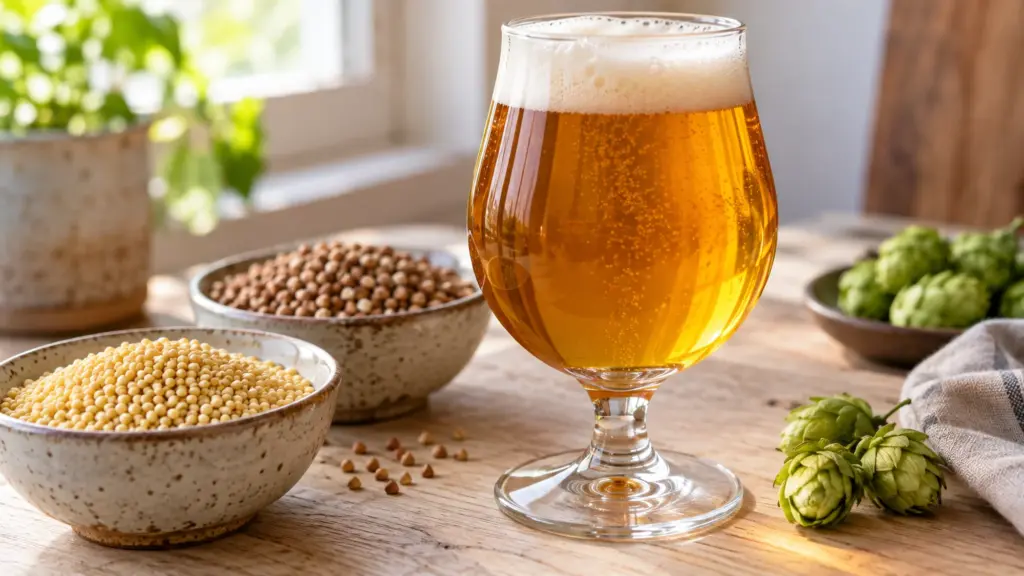
A golden pint and a copper-colored ale can look equally inviting, yet neither color tells you whether the beer fits a gluten-free diet. The useful clue is on the package, where a small difference in wording can change what you are buying.
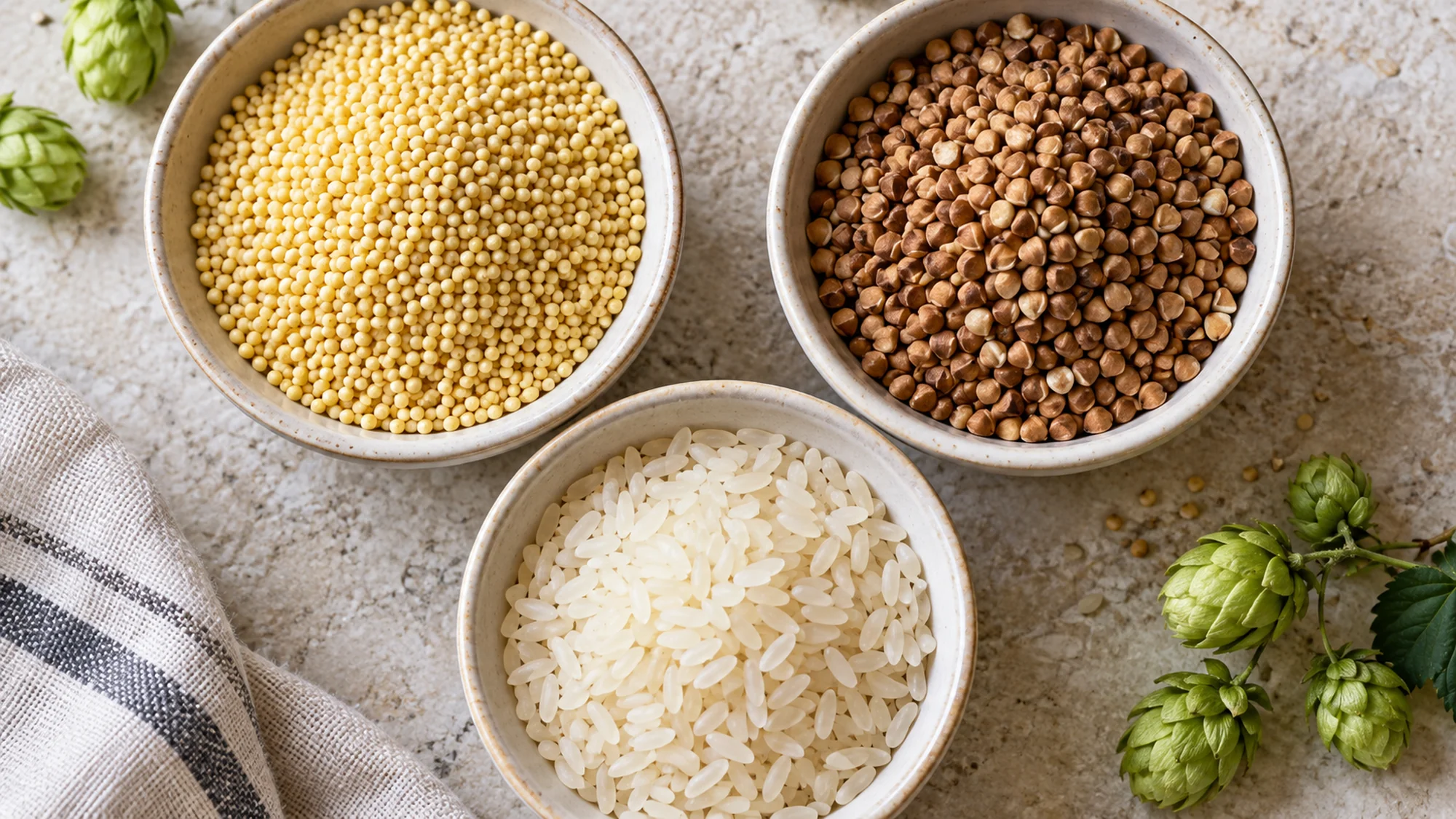
Gluten free ale is beer made to meet gluten-free requirements, often using grains such as millet, rice or buckwheat. Beer labeled “crafted to remove gluten” is a different category; do not assume the two claims are interchangeable.
I’d read that wording before choosing a style. Once the gluten information is clear, you can spend your attention on the enjoyable part: whether you want a gentler malt flavor or more hop character.
What makes gluten free ale different?
The word ale describes a beer family, not a gluten guarantee. Conventional beers commonly use barley, and some styles also contain wheat. A naturally gluten-free grain bill offers another starting point, while the producer still needs to control gluten cross-contact.
The FDA’s gluten-free labeling guidance explains that the claim has ingredient requirements as well as a limit of less than 20 parts per million for unavoidable gluten in FDA-regulated foods. Fermented products have additional compliance requirements; simply quoting a finished-beer test result does not settle the question.
This is a U.S.-focused guide. Imported labels and brewery descriptions need to be read in the context of the product actually sold in your market. A familiar brand name is a starting point for checking, not a substitute for the current package.
Read the gluten claim before the style
For TTB-regulated malt beverages, TTB’s gluten-content policy distinguishes gluten-free claims from statements about processing a gluten-containing product to remove gluten. The latter must carry qualifying information, including that gluten content cannot be verified and the product may contain gluten.
That is why I would keep these descriptions in separate shopping categories. If you have celiac disease, choose products with clear, appropriate gluten-free information rather than treating a gluten-removal statement as equivalent.
| Description | Useful next step |
|---|---|
| Gluten-free | Check the exact product and its current ingredient and producer information. |
| Crafted to remove gluten | Read the qualifier; this is not the same assurance. |
| Wheat-free | Check for barley and rye; wheat-free alone does not mean gluten-free. |
Start with the exact gluten claim. Pale, dark, organic and craft describe other things; none replaces gluten information.
Millet and buckwheat can still make malt
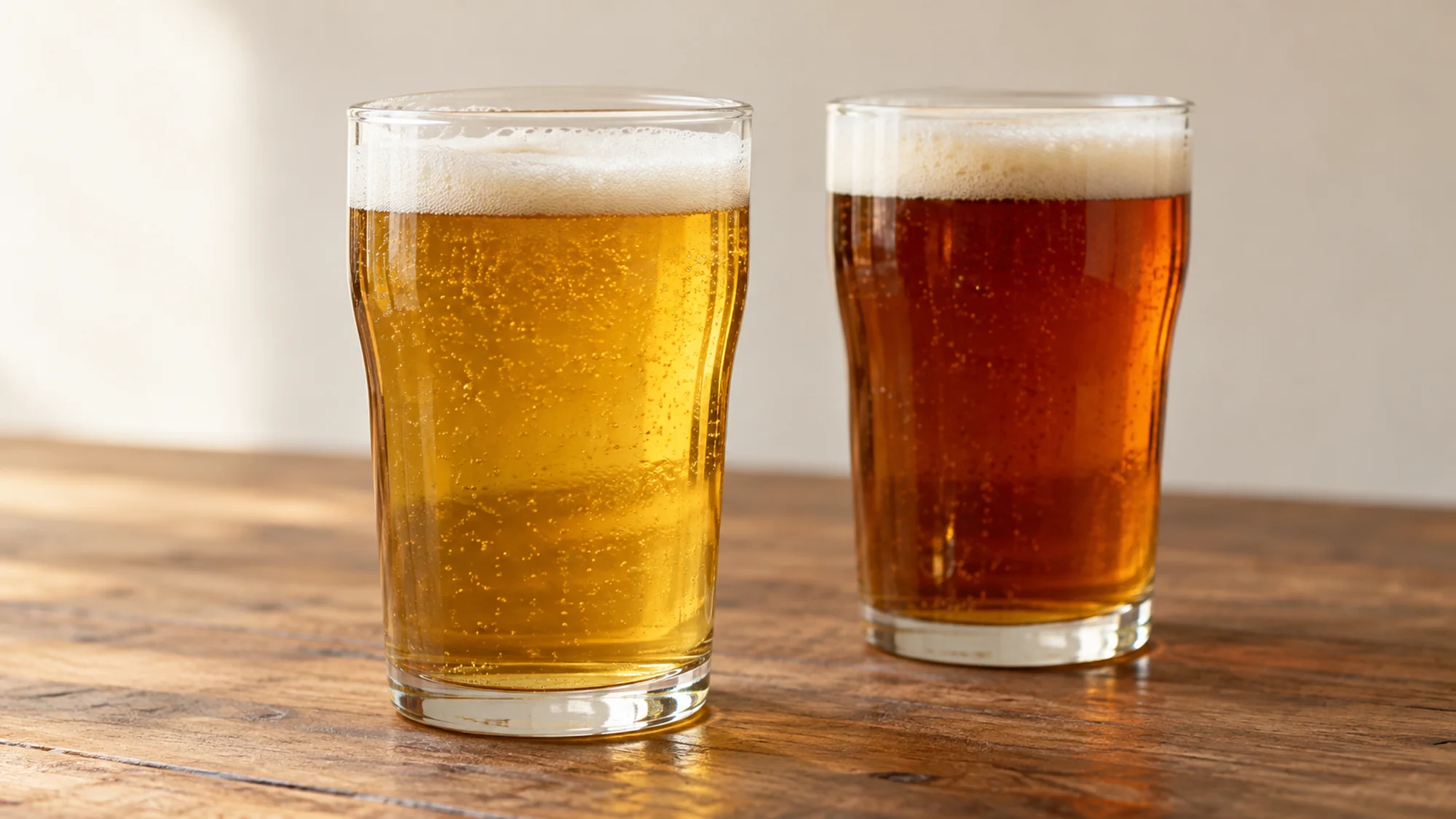
Malt is not automatically barley. Malting means sprouting and drying grain or seeds under controlled conditions. Ghostfish explains its gluten-free malts, including millet and buckwheat, and describes a dedicated facility that excludes gluten-containing ingredients.
The distinction matters because a label mentioning millet malt should not be rejected just because you recognize malt from conventional beer. Equally, do not assume an unspecified malt ingredient is suitable. Ask which grain it comes from and how the finished product is represented.
The same habit helps beyond the drinks aisle. Dishora’s gluten free bread guide walks through the difference between a reassuring-looking package and useful label information.
Two real examples to help compare labels
Holidaily’s Favorite Blonde product page identifies a gluten-free beer made with millet malt and buckwheat malt. The brewery describes light malt character and restrained hop bitterness. Those are producer tasting notes, not a tasting test conducted for this guide.
Ghostfish’s Vanishing Point Pale Ale page lists malted millet, malted rice, brown rice, hops and yeast. Its description emphasizes caramel-like malt notes and fruit-forward hop character. These examples show different flavor directions rather than a ranking or a promise that either is stocked locally.
Check the current can and brewery information before buying. Ingredients, availability and product ranges can change.
A practical checklist for your next order
At a store, you can take your time with a sealed package. At a bar, the question includes how the beer reaches your glass. A clear answer is more useful than a confident guess.
For an unfamiliar bottle, a quick visit to the brewery’s current product page can answer more than a shelf tag. Match the name and variety carefully: a seasonal release, a nonalcoholic version and a flagship ale can have different ingredients even when their packaging looks similar.
- Identify the exact beer, not just the brewery.
- Read its current gluten claim and ingredients.
- Ask about dedicated draft lines and handling if cross-contact matters to you.
- Choose a sealed, verified alternative when staff cannot explain the draft setup.
I’d decide on the product first and then choose the flavor. Gluten-free does not mean alcohol-free, and it does not make beer a health food. The useful payoff is a clearer choice that fits your needs without asking the color of the pint to do the label’s job.

Emily Parker is DISHORA’s recipe-writing persona, bringing a warm, practical voice to everyday cooking. Her focus is simple ingredients, comforting flavors and clear steps that make a dish feel approachable. From cozy dinners to something sweet, Emily’s recipes invite readers to try something delicious and make it their own.