
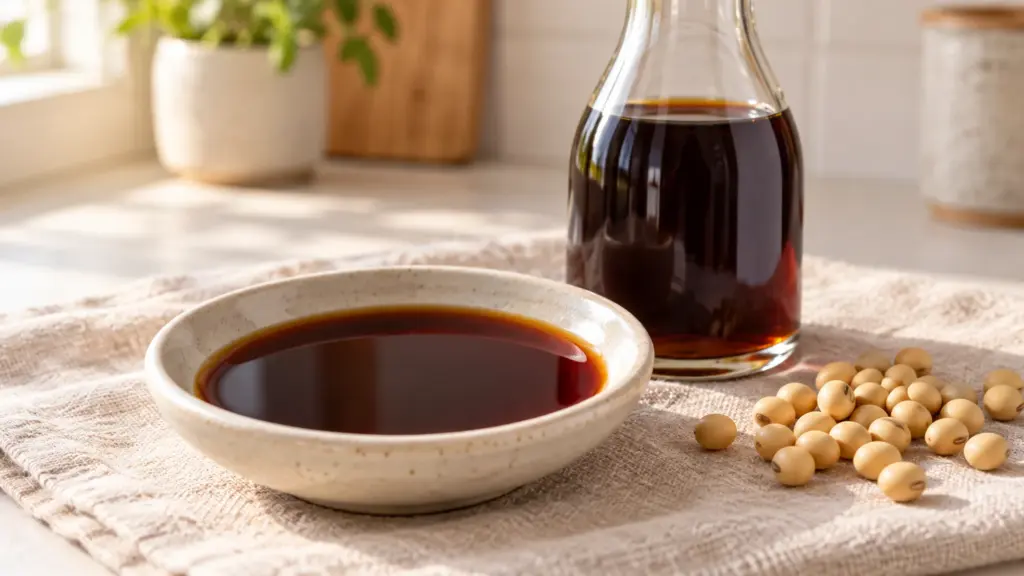
A dark bottle of tamari can look like one more sauce to squeeze into an already crowded cupboard. Its useful role is straightforward: bring salty, savory depth to a dressing, dipping sauce or cooked dish.
Tamari is a style of fermented soy sauce. Many versions are made without wheat, but the name alone does not guarantee gluten-free ingredients or less sodium. Choose a bottle that meets your needs, measure it, and taste the food before adding more.
I’d buy it for the flavor and the label information that fits my kitchen, rather than treating it as an automatic upgrade over every other soy sauce. One well-chosen bottle is more useful than three you are unsure how to use.
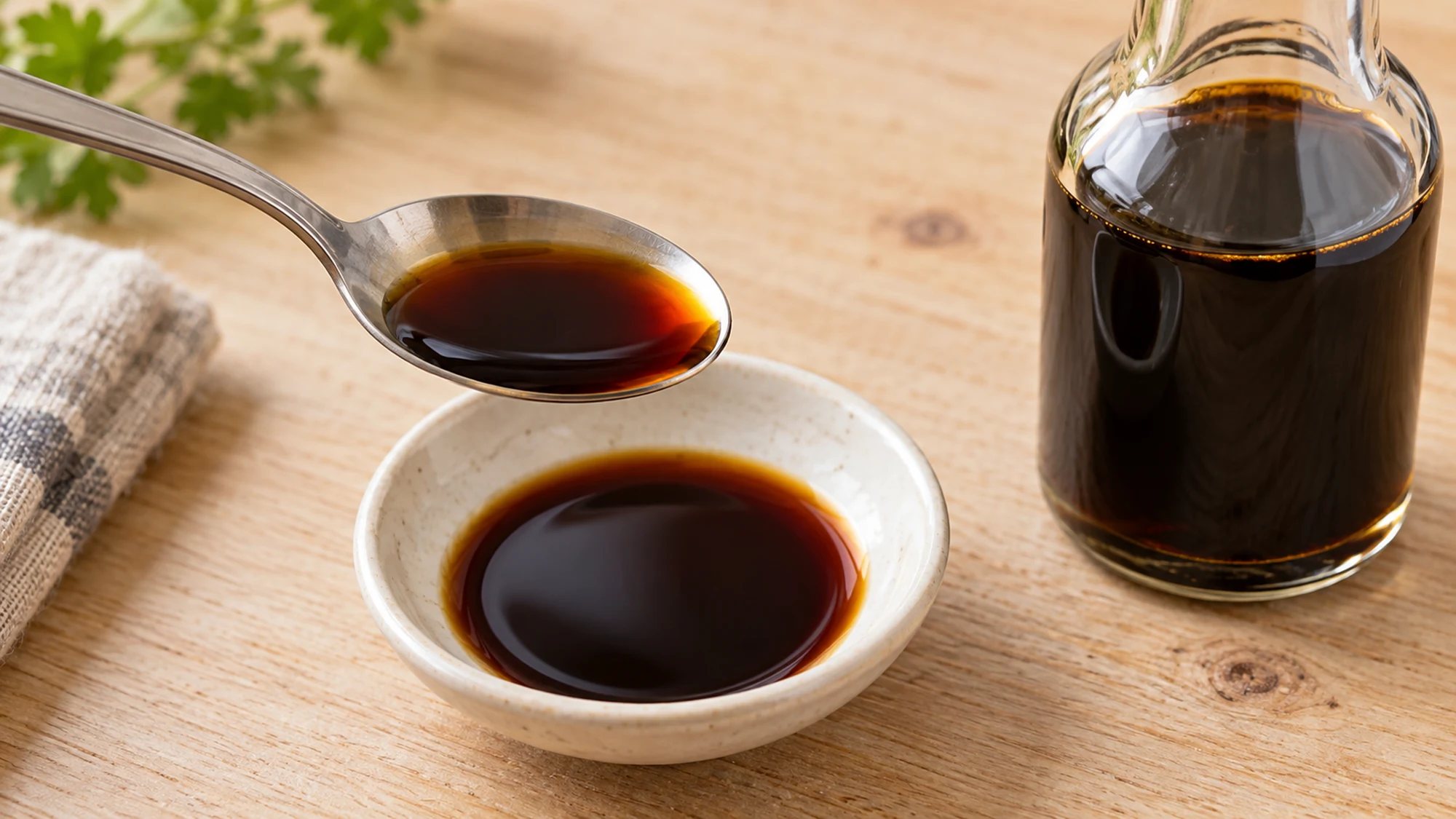
What tamari brings to the kitchen
Tamari is associated with Japanese soy-sauce making and a deep savory flavor often called umami. The exact profile depends on the product. San-J describes its own brewing process as fermenting cooked soybeans before pressing, pasteurizing and filtering the sauce.
This is a seasoning, so a small quantity can make a noticeable contribution. Think of it beside other concentrated pantry ingredients: useful in a dish, but not a substitute for the beans or tofu that form a more substantial part of a meal.
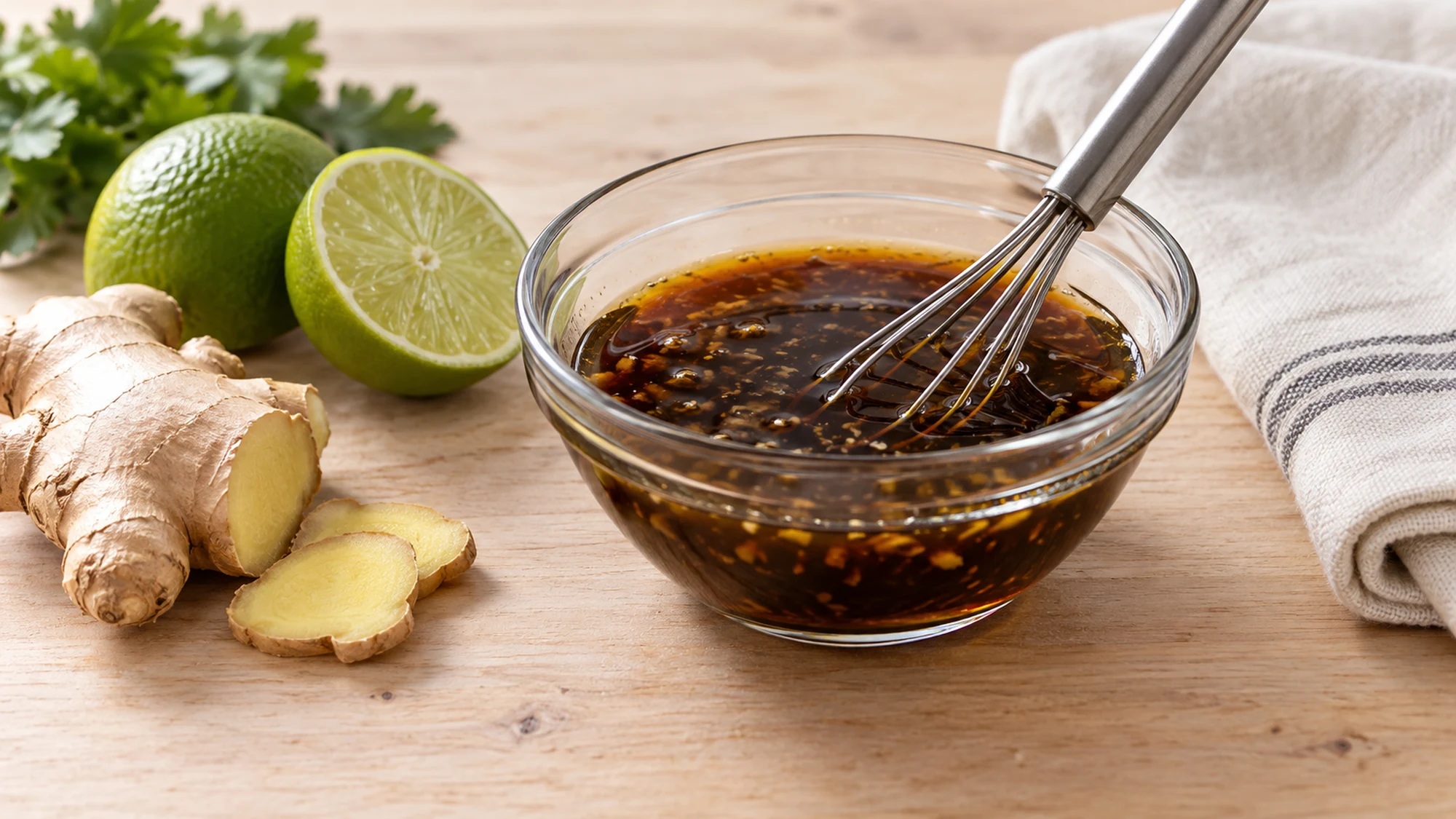
- Dressings: combine its savory character with an acidic ingredient such as citrus or vinegar.
- Soups and sauces: add a measured amount, then taste the whole dish.
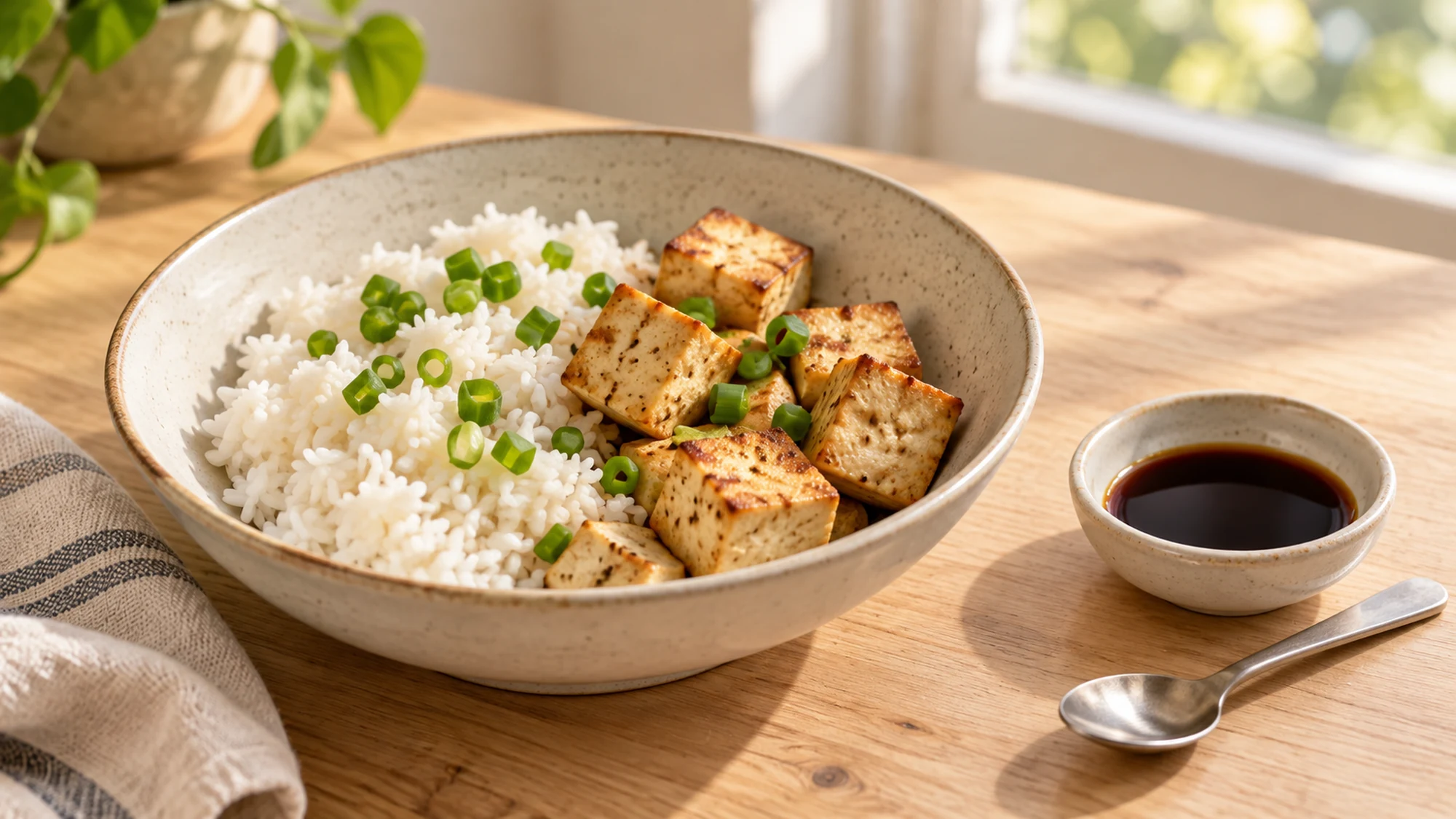
- Dipping: serve a small quantity separately so it does not overwhelm delicate food.
Give tamari a clear job: season, deepen or finish. Its dark color does not mean you need a generous pour.
Tamari labels answer different questions
Some products are wheat-free and others are not. San-J Gluten Free Tamari lists soybeans without wheat; Kikkoman’s U.S. Tamari Soy Sauce lists wheat as well as soy. These are product examples, not a rule for every bottle from either company.
For a broader explanation of gluten claims, read our soy sauce and gluten-free label guide. A gluten-free claim also does not remove a soy allergy: soybeans are one of the FDA’s major food allergens.
- Need gluten-free? Check the exact product’s claim and ingredients.
- Need to avoid soy? Ordinary soy-based tamari is not a suitable swap.
- Need less sodium? Read that separate number on the Nutrition Facts.
- Buying an unfamiliar flavor or size? Read its own label instead of extending a claim from another bottle.
Compare sodium using the same measure
Reduced-sodium tamari can still supply substantial sodium. The two San-J labels below both use a tablespoon serving, making the comparison more useful than comparing capfuls or visually judging the color. The listed gram weights differ, so retain the package’s own measure.
| Product | Label serving | Sodium |
|---|---|---|
| Gluten Free Tamari | 1 tablespoon (18 g) | 980 mg |
| 28% Less Sodium Tamari | 1 tablespoon (17 g) | 710 mg |
The values come from the regular product’s Nutrition Facts and the 28% less-sodium product’s label. They are examples rather than averages for tamari. Check the bottle you buy because formulations and labels can change.
Compare equal measures and pay attention to the amount you actually use. “Less sodium” is a comparison, not a promise that sodium no longer matters.
Use tamari in a dish without losing the balance
I prefer measuring the first addition rather than pouring directly from the bottle. A dressing is easier to adjust before it coats the entire salad, and a soup is easier to season gradually than to rescue afterward.
Tamari can serve a similar role to soy sauce in many dishes, but products differ in flavor and sodium. Follow a reliable recipe when you need a repeatable result instead of assuming a universal swap. Our edamame crunch salad is one example of less-sodium tamari used as part of a dressing.
- Taste a small amount of the finished mixture, not just the sauce by itself.
- Account for salty broth, cheese or other seasonings before adding extra salt.
- If gluten or another allergen matters, check every ingredient in the dish; one sauce change does not settle the whole meal.
Store the bottle according to its own directions
Follow the package’s storage advice and keep the cap and opening clean. Kikkoman explains that refrigeration after opening helps preserve its sauce’s flavor and quality. That product-specific guidance should not become a guessed shelf-life promise for every tamari or prepared sauce.
Keep mixed dressings and marinades separate from the original bottle, and never pour used sauce back into it. Once tamari is combined with other ingredients, the mixture needs the storage guidance for that prepared food. A date on the lid can make it easier to remember when you opened the bottle.
Choose a suitable label, use a deliberate amount and keep the bottle well cared for. That is enough to make tamari a useful everyday seasoning.
Sources
- San-J: Our Tamari and Brewing Process
- San-J: Gluten Free Tamari Product and Nutrition Label
- San-J: Tamari 28% Less Sodium Product Label
- Kikkoman USA: Tamari Soy Sauce Ingredients and Storage
- FDA: Have Food Allergies? Read the Label

Emily Parker is DISHORA’s recipe-writing persona, bringing a warm, practical voice to everyday cooking. Her focus is simple ingredients, comforting flavors and clear steps that make a dish feel approachable. From cozy dinners to something sweet, Emily’s recipes invite readers to try something delicious and make it their own.