

The mug smells inviting, but the headlines seem to change with every refill. Is coffee bad for you, or is that morning cup doing you a favor? The useful answer starts with how much caffeine you drink, when you drink it and how you feel afterward.
Coffee is not automatically bad for you. Moderate intake can fit a healthy adult’s routine, but caffeine can disturb sleep or cause symptoms, and pregnancy calls for a lower limit. You do not need coffee to be healthy.
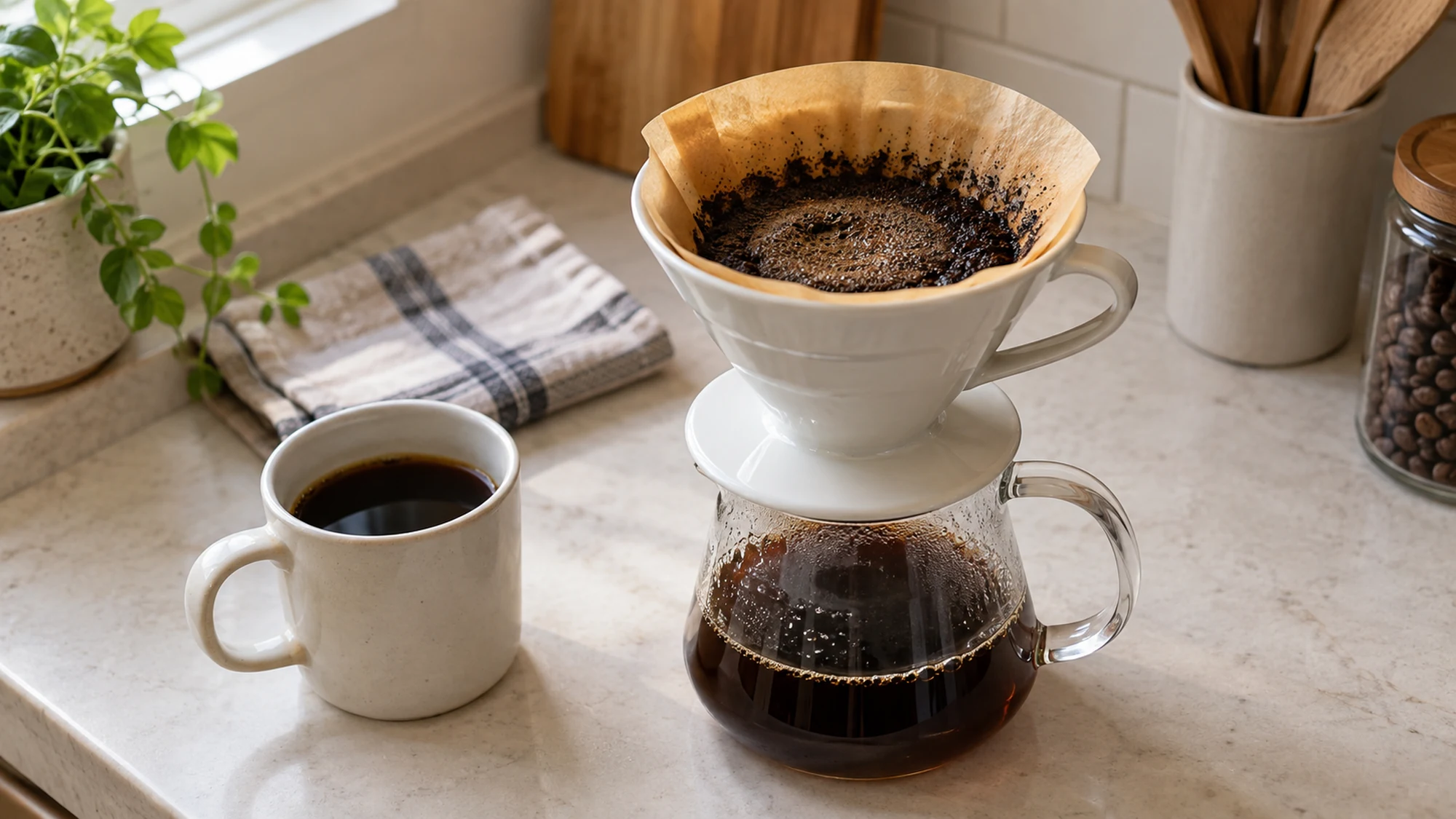
Is coffee bad for you? What the research shows
A 2017 BMJ umbrella review combined earlier reviews of coffee and health. It found that drinking coffee was more often associated with benefit than harm, including lower rates of several liver conditions and premature death; some associations looked strongest around three to four cups daily.
That is encouraging, but much of the evidence came from observational studies: researchers watched people’s habits rather than assigning coffee for years. Other differences between coffee drinkers and non-drinkers can affect results, and study definitions of a cup vary. These findings do not prove that adding coffee prevents disease.
I’d treat those headlines as reassurance for someone who enjoys coffee, not a reason to start drinking it or chase a particular number of cups.
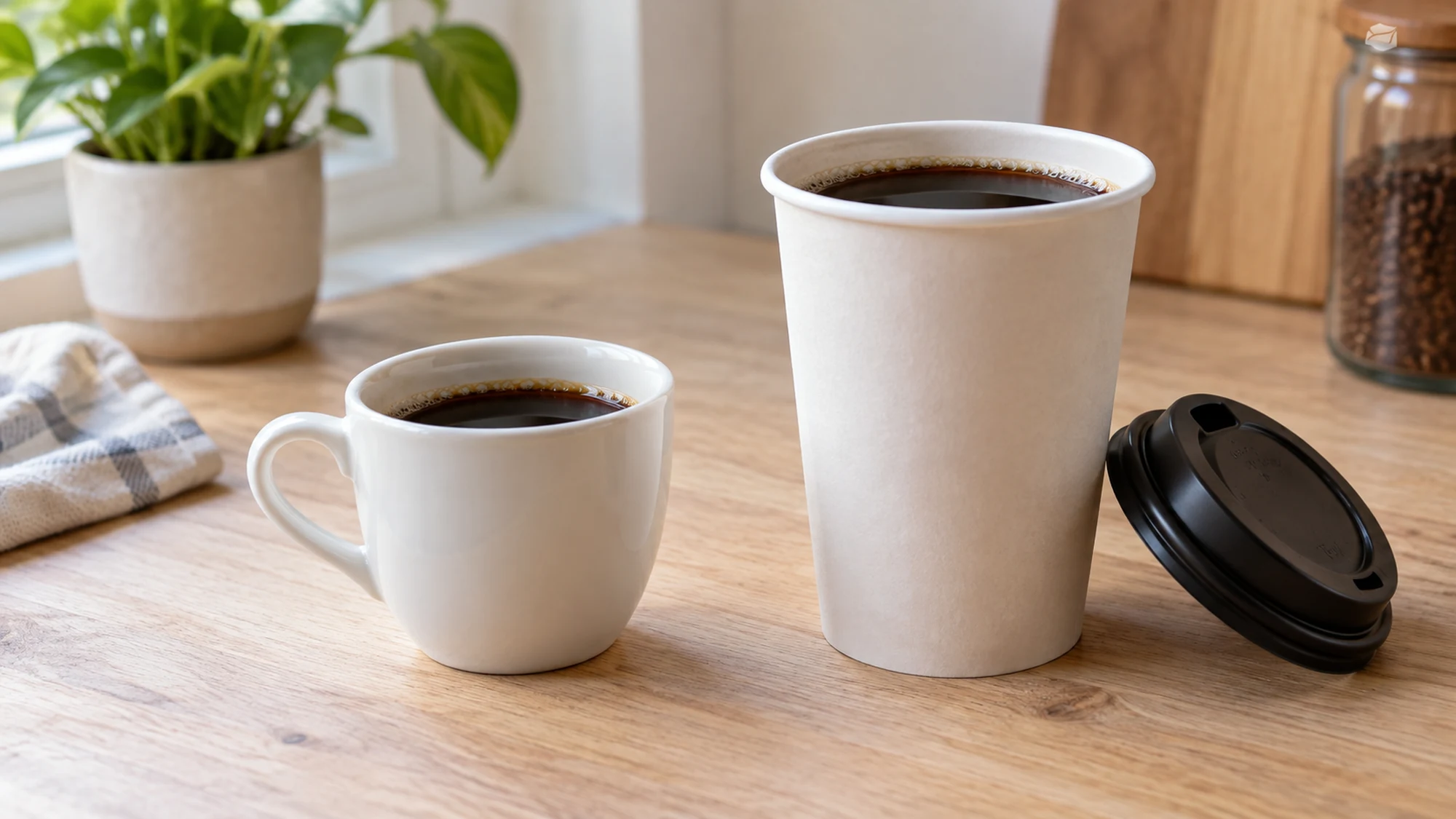
Count caffeine, not just cups
For healthy adults, EFSA’s caffeine assessment finds no safety concern with up to 400 milligrams spread through the day, excluding pregnancy. That is a general reference, not a daily goal or a guarantee that every person will feel comfortable at that amount.
The FDA’s typical caffeine figures show why counting mugs can mislead. These comparisons use the same 12-fluid-ounce serving (about 355 milliliters); actual products vary.
| Drink | Caffeine |
|---|---|
| Regular brewed coffee | 113–247 mg |
| Black tea | 71 mg |
| Green tea | 37 mg |
Count tea, energy drinks and other caffeine sources too. A larger café drink may use up much more of your daily total than a small cup at home.
Coffee and sleep: notice the timing
In a 2023 randomized trial of 100 adults, participants slept about 36 minutes less on coffee days than on caffeine-avoidance days. The trial lasted two weeks and measured short-term effects; it cannot tell every reader what their own cutoff time should be.
- Move your last caffeinated drink earlier if falling asleep is difficult.
- Try a smaller serving or decaf later in the day.
- Watch sleep quality as well as whether you can fall asleep.
EFSA notes that even 100 milligrams near bedtime may affect sleep in some adults. I’d protect a good night’s sleep before defending an afternoon refill; there is no prize for finishing the pot.
Who may need less coffee?
The adult reference does not fit every situation. MedlinePlus explains who may need to limit caffeine, including people taking certain medicines. Use these distinctions rather than assuming one limit suits the whole household.
- Pregnancy: ACOG advises less than 200 milligrams of caffeine daily, counting all sources. Check your actual drink rather than relying on a standard cup estimate.
- Reflux: NIDDK identifies coffee as a possible symptom trigger. Some people benefit from reducing it; others do not need to avoid every listed trigger.
- Symptoms or medicines: MedlinePlus lists shakiness, anxiety and a fast heart rate among possible effects of too much caffeine. Discuss symptoms, a heart rhythm condition or medication concerns with your clinician.
Children and teens need age-appropriate advice; the adult caffeine reference is not their allowance. Ask a health professional about caffeine during breastfeeding or when trying to become pregnant, too.
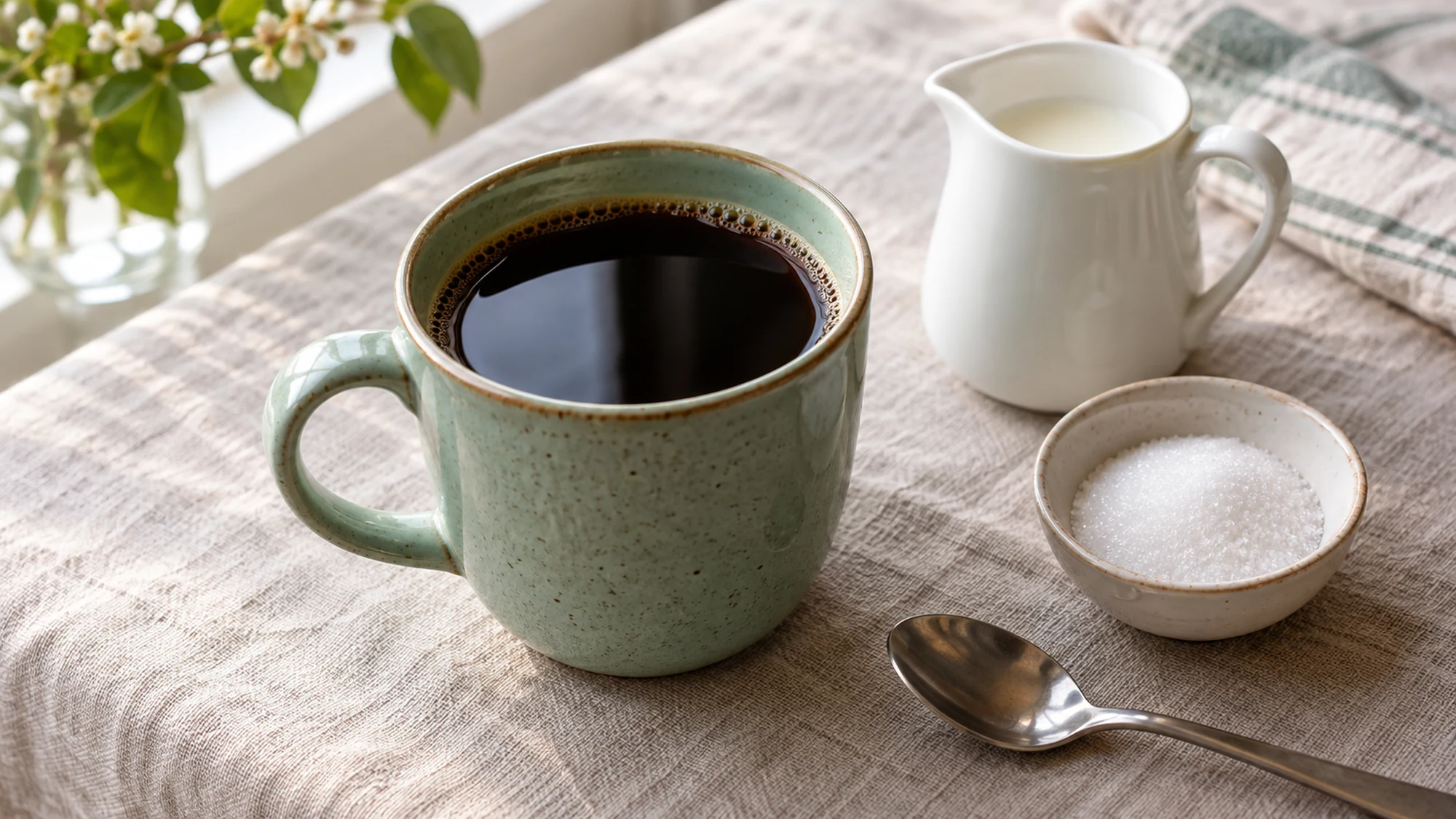
Make your next cup work for you
A practical adjustment is often more useful than labeling coffee good or bad. Keep the part you enjoy—the roasted aroma, a warm mug, a quiet pause—and look for the change that solves your actual problem.
- Check the serving: Look for the café’s caffeine information or the manufacturer’s figures, especially for large drinks.
- Change one thing: Try a smaller portion or an earlier last cup, then notice whether your symptoms or sleep change.
- Consider the extras: Milk, sugar and syrups change the drink’s nutrition. Choose additions for taste rather than assuming the coffee research covers every sweetened drink.
- Cut back gradually: The FDA recommends easing down to limit unpleasant withdrawal. Decaf still contains a little caffeine; a pure roasted chicory drink offers another option, provided it is not blended with regular coffee.
Choose the amount and timing that leave you feeling comfortable and sleeping well. Coffee can be a pleasure without becoming a health project—and choosing no coffee is perfectly reasonable.
Sources
- BMJ: coffee and health umbrella review
- EFSA: caffeine safety assessment
- FDA: caffeine amounts and sensitivity
- CRAVE randomized trial, 2023
- ACOG: coffee during pregnancy
- NIDDK: diet and reflux
- MedlinePlus: caffeine effects and cautions

Emily Parker is DISHORA’s recipe-writing persona, bringing a warm, practical voice to everyday cooking. Her focus is simple ingredients, comforting flavors and clear steps that make a dish feel approachable. From cozy dinners to something sweet, Emily’s recipes invite readers to try something delicious and make it their own.