
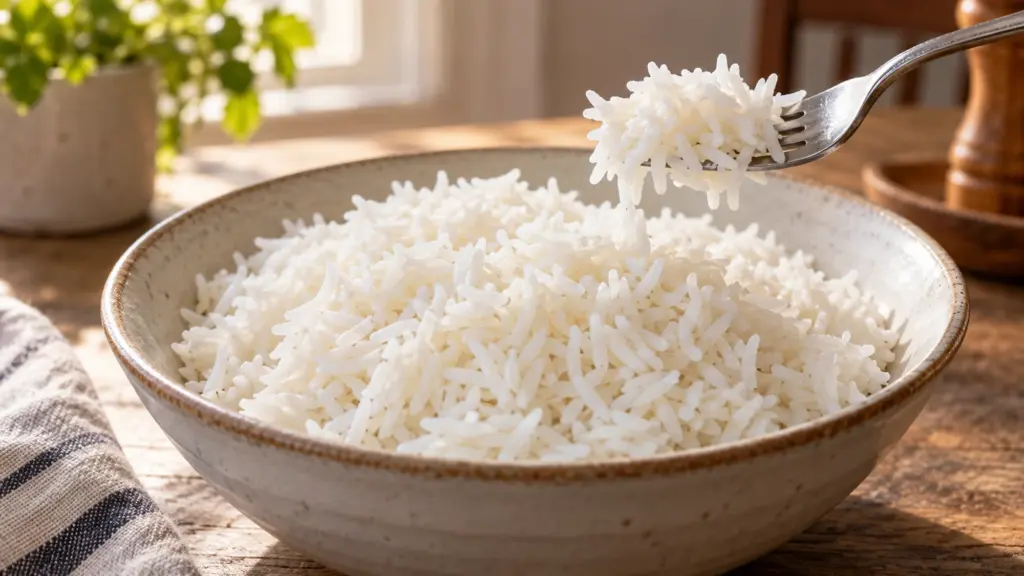
A pot of rice should make dinner easier: measured ingredients go in, the lid stays on, and a quiet rest finishes the texture. This guide to how to cook rice is for regular long-grain white rice on the stovetop. It uses a covered absorption method so the water becomes part of the cooked grains instead of being drained away.
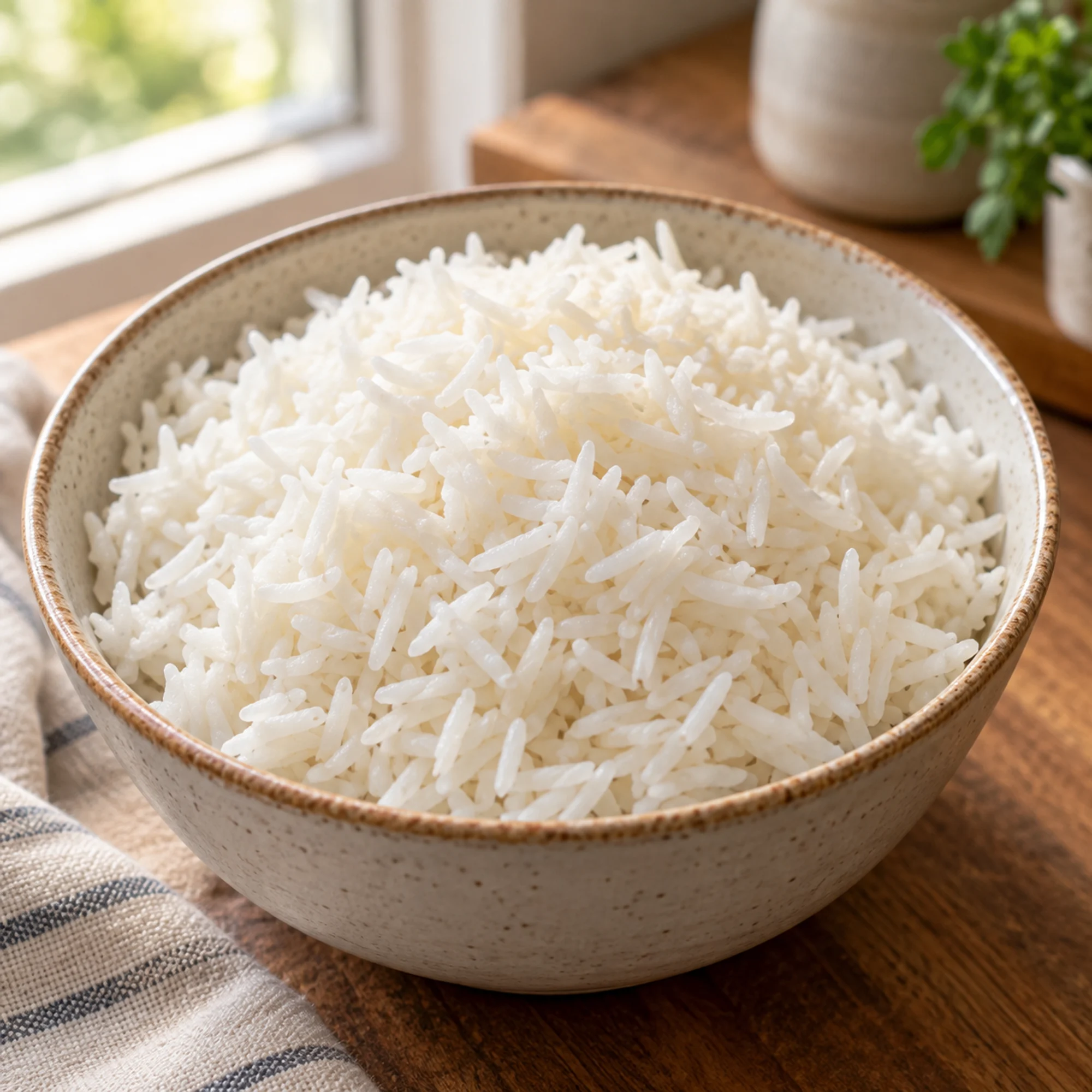
Match the rice type to the recipe, use a tight lid, and lower the heat once the pot boils. Leave the final covered rest in the plan before serving.
I prefer a small, heavy-based saucepan for a one-cup batch. It holds a gentle simmer more evenly than a very wide pan, where water can disappear too quickly. The finished rice should be tender and loose, ready to sit beside a saucy main or become the base of a bowl.
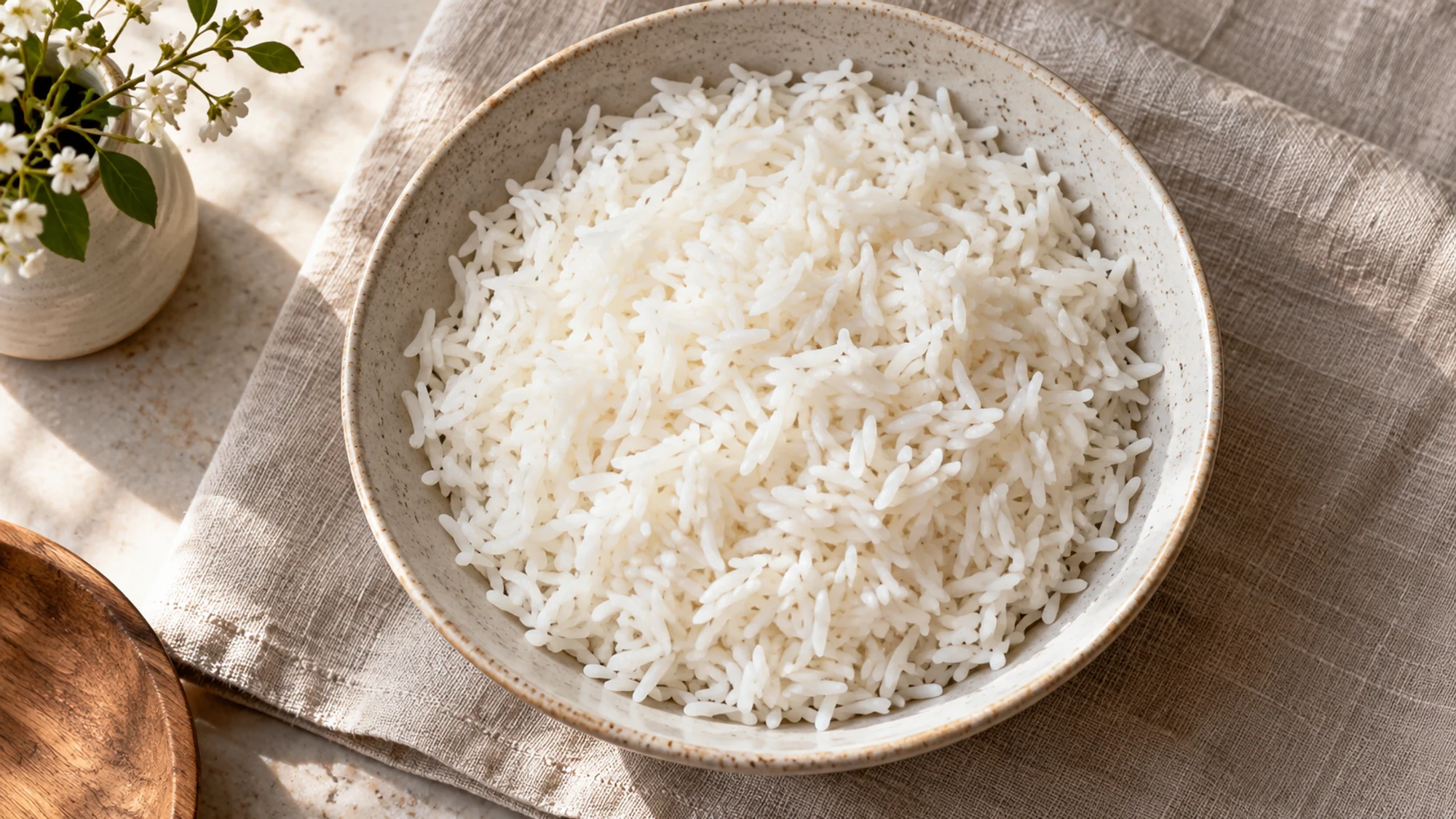
Serving suggestions for rice
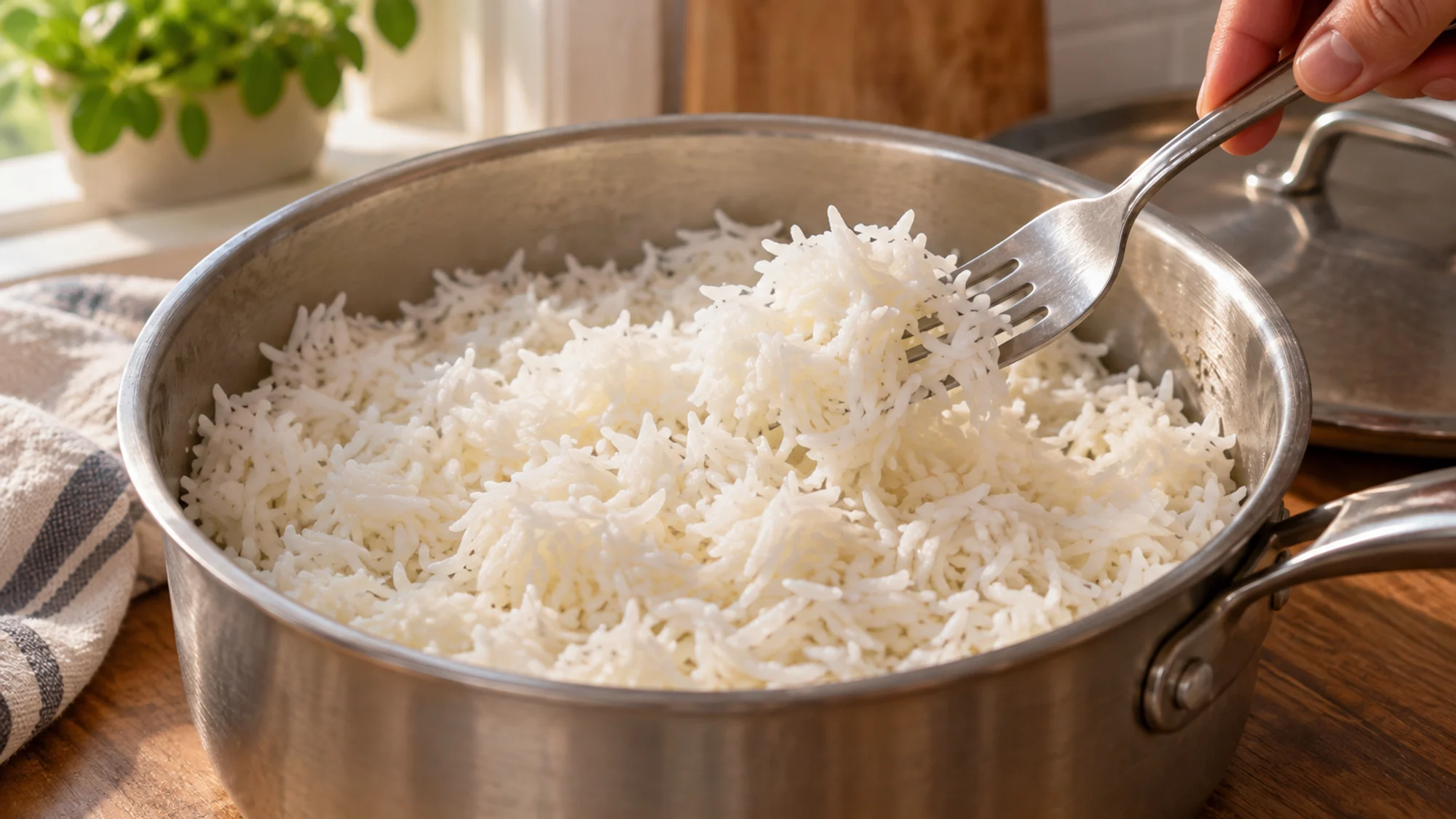
Lift the lid away from your face and fluff the rice with a fork, working from the edges toward the middle. This releases steam without crushing the grains. Spoon it into a warm serving bowl rather than packing it down with the back of a spoon.
Plain rice gives rich sauces somewhere to go. Dishora’s chicken in roasted peanut sauce is one example of a dish that works with a quiet grain base. You can also serve rice beside beans, cooked fish, or vegetables with their own seasoning.
For a simple bowl, divide the rice among four dishes and add a protein food and fresh or cooked vegetables. I like to leave the rice lightly seasoned and taste the complete bowl before adding extra salt. The sauce or topping may already supply enough.
Serve promptly, then put any extra rice into shallow containers for refrigeration. A small batch can be useful for another meal, but it should be cooled and stored deliberately rather than forgotten in the saucepan.
Fluff gently and let the rice support the flavors already on the plate.
Rice variations and package checks
The name rice covers many products. Basmati, jasmine, short-grain, parboiled, brown, and instant rice can need different water amounts and times. The measured card uses regular long-grain white rice. This rice cooking guide explains why the type matters.
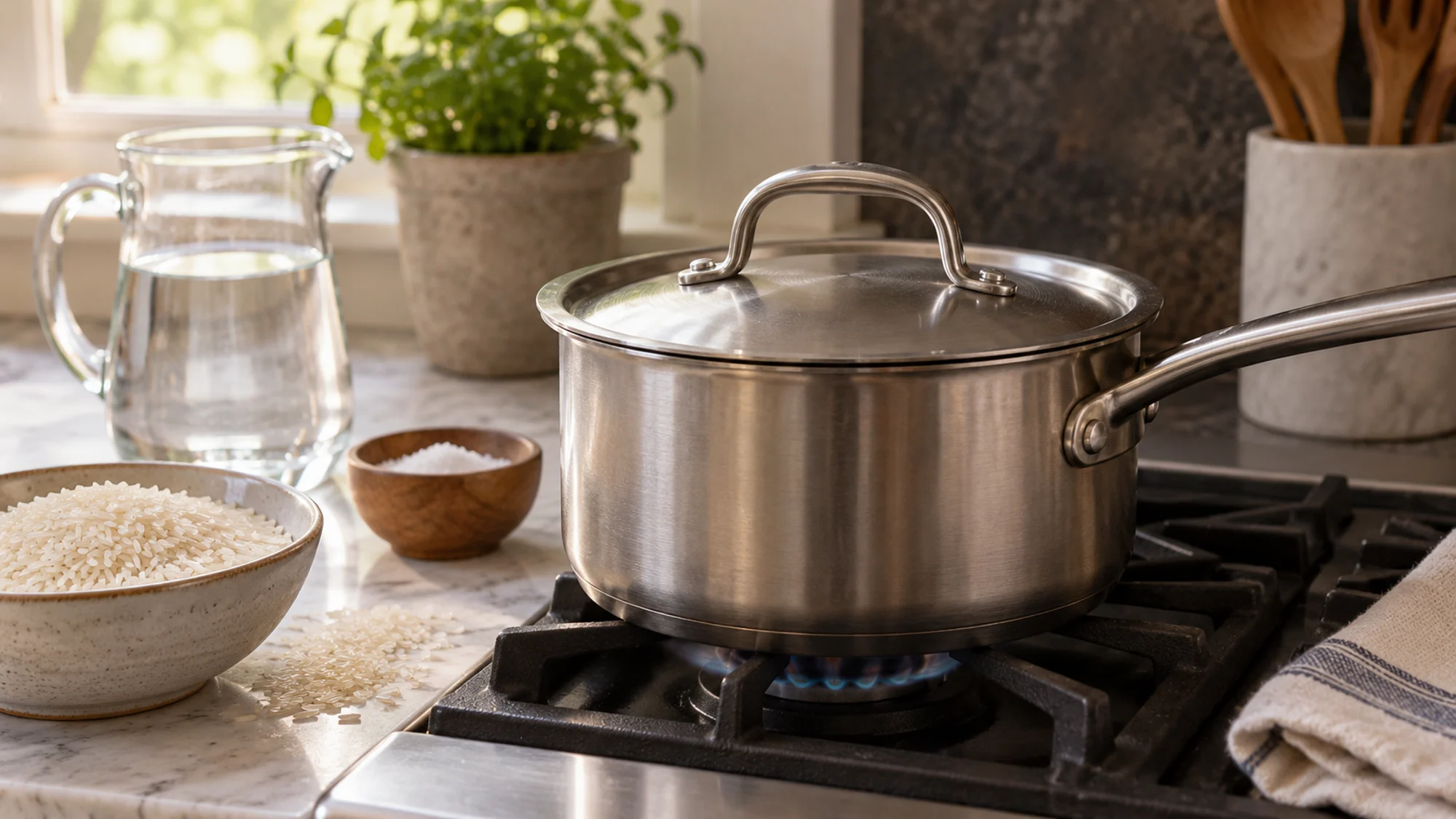
Read the package before rinsing. Some enriched U.S. rice is intended to be cooked without rinsing, which can wash away added nutrients. Other products recommend rinsing to remove surface starch. Follow that advice rather than treating one rinsing rule as universal.
Broth can replace the water for a savory variation, but reduce or omit the measured salt until you taste the finished rice. A small pat of butter can be folded in after resting if it suits the meal. Keep those additions separate from the plain base when you want a flexible batch.
If the bottom scorches, the heat may be too high or the pan too thin. If the grains remain hard after the water is absorbed, a little hot water and a few more covered minutes can help. I would change one factor at a time on the next batch so the correction is easy to recognize.
Start with the package and the rice variety, then use a gentle simmer and a covered rest.
Health benefits and balance
White rice provides energy and can be part of a varied meal. Enriched versions may also provide added nutrients listed on the package. Pair it with vegetables and a protein food, and choose a portion that fits the rest of the plate.
The base recipe contains only rice, water, and a little salt. It is easy to keep the seasoning modest when a salty sauce is being served alongside. A balanced meal comes from the combination of foods, rather than expecting plain rice to do every job.
Cooked rice must be refrigerated promptly. Use shallow containers, chill within two hours, and reheat leftovers thoroughly to 165°F. This leftover handling guide gives practical cooling and reheating steps. Reheating cannot make up for rice that has been left out for hours.
A plain rice base is useful when it is paired thoughtfully and stored promptly.
Motivation conclusion
Measure with the same cup for rice and water, then choose a pan with a lid that fits closely. Bring the mixture to a boil, lower the heat, and resist checking repeatedly. Lifting the lid lets out the steam the rice needs.
The covered rest is a useful pause for finishing the rest of dinner. Once it is done, fluff rather than stir hard, and serve. A few consistent habits make this ordinary side dependable: the right rice type, measured water, low heat, and a little patience at the end.
Keep the lid on through the simmer and rest, then let a fork loosen the grains for dinner.
How to Cook Rice

Ingredients
- 1 cup regular long-grain white rice not instant, parboiled, or short-grain
- 2 cups water plus 2 tablespoons hot water only if needed for firm rice
- 1/4 tsp kosher salt
Equipment
- 2-quart saucepan with tight-fitting lid
- Measuring cup and teaspoon
- Fork
Instructions
- Combine the measured rice, water, and salt in a 2-quart saucepan.
- Bring to a boil over medium-high heat. Stir once, then cover with a tight-fitting lid and reduce the heat to low.
- Cook 18 to 20 minutes, keeping the lid on, until the water is absorbed and the grains are tender. If the rice still has a hard center, add 2 tablespoons hot water, cover, and cook 2 to 4 minutes longer.
- Remove the pan from the heat and leave covered for 10 minutes.
- Lift the lid carefully, allowing steam to escape away from you. Fluff gently with a fork and serve warm.
Notes
Tried this recipe?
Let us know how it turned out!Emily Parker is DISHORA’s recipe-writing persona, bringing a warm, practical voice to everyday cooking. Her focus is simple ingredients, comforting flavors and clear steps that make a dish feel approachable. From cozy dinners to something sweet, Emily’s recipes invite readers to try something delicious and make it their own.