
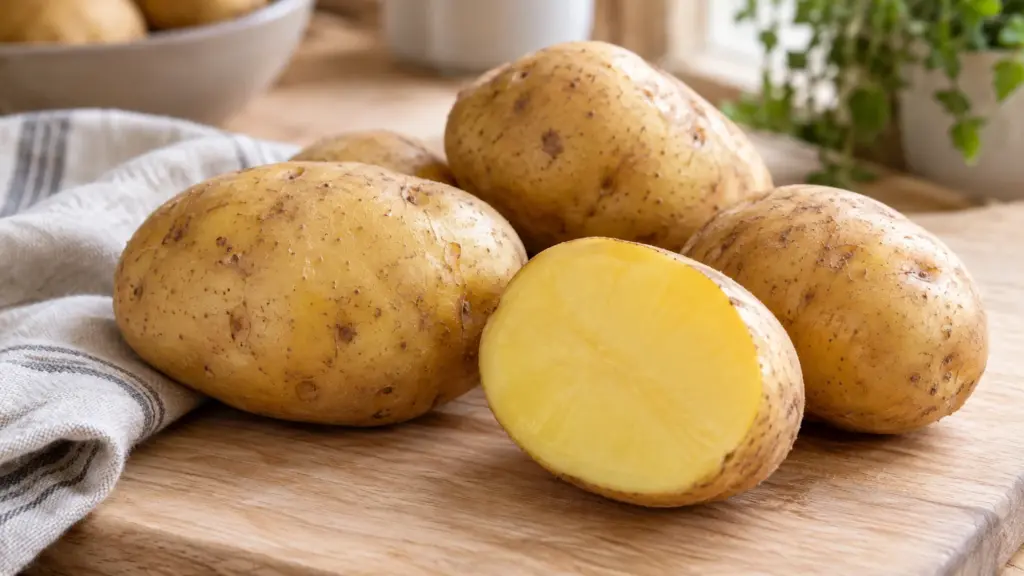
A bag of potatoes can leave you with a surprisingly specific question: will these become fluffy mash, neat salad pieces, or something in between? Yukon Gold potatoes are a useful middle ground. Their yellow flesh cooks into a creamy texture that suits mashing, roasting and dishes where the pieces should keep some shape.
Yukon Gold is a particular yellow-fleshed potato variety. Choose it for creamy mash and versatile everyday cooking; choose the variety by the texture your dish needs.
I’d start with the result you want, rather than treating one potato as the answer to every dinner. A crisp baked skin, a silky soup and a potato salad ask slightly different things of the same humble ingredient.
What makes Yukon Gold potatoes different?
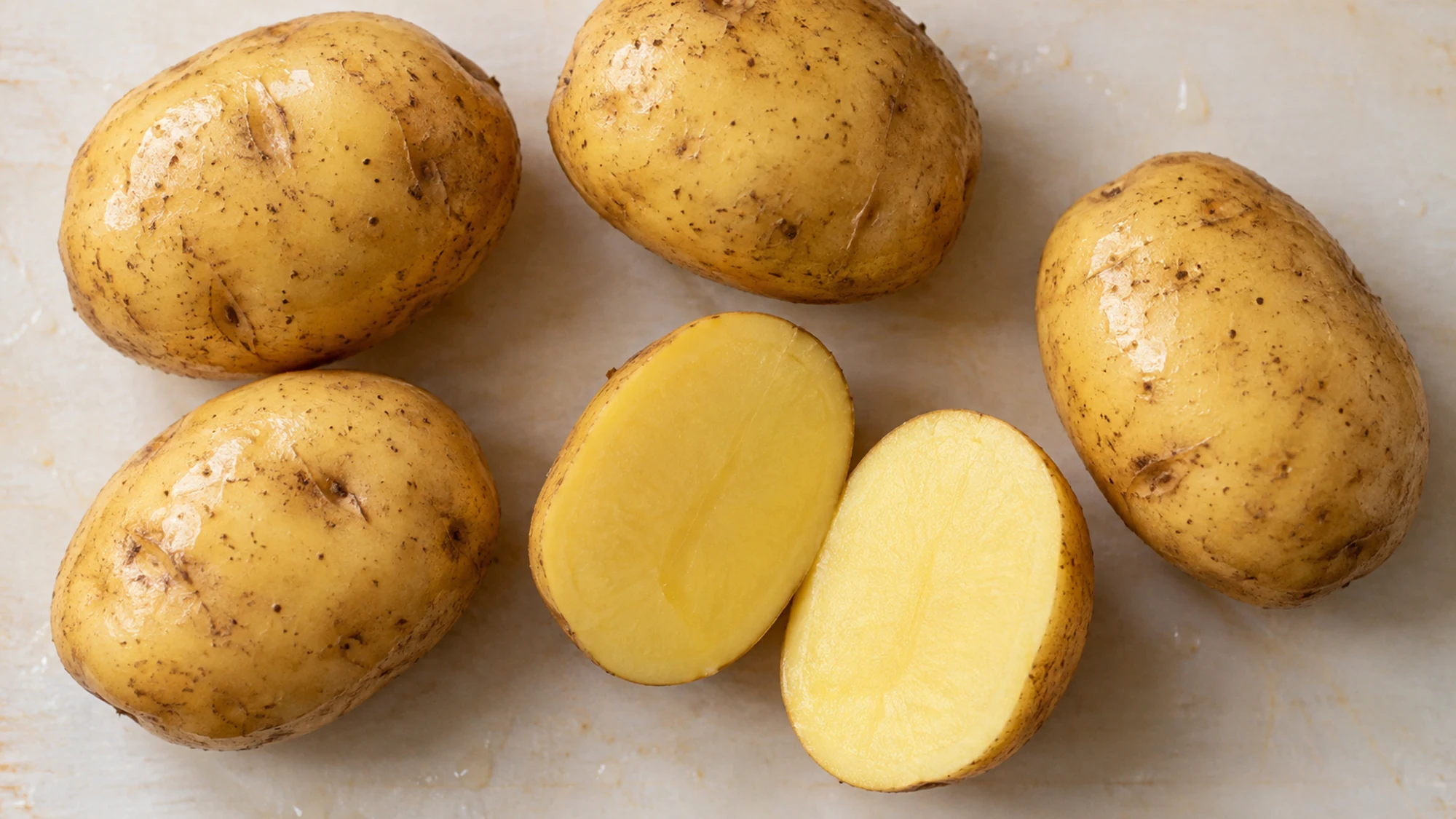
The Canadian Food Inspection Agency’s variety description identifies Yukon Gold by its yellow flesh, light yellow skin and shallow pinkish eyes. It is a named cultivar, meaning a distinct cultivated variety. A bag marked simply “yellow potatoes” may contain another cultivar; color alone does not establish the name.
The flesh has a naturally rich-looking color before butter enters the picture. In cooking, Yukon Golds offer a balance between a very floury potato and a firm salad potato. I like that versatility when a bag needs to cover more than one kind of meal.
- Look for the actual variety name if a recipe specifically requests Yukon Gold.
- Expect natural differences in size and shape, even within one bag.
- Do not use yellow flesh as a shortcut for nutrient amounts or a promise of a particular health benefit.
Choose the potato for the job
The Potatoes USA type guide describes different textures and common uses. These are practical tendencies, rather than guarantees: growing conditions, age, piece size and cooking all affect the finished result.
| Potato choice | Typical texture | Useful starting point |
|---|---|---|
| Yukon Gold / yellow | Creamy, moderately firm | Mash, roasting, soups |
| Russet | Floury and fluffy | Baked potatoes, fluffy mash |
| Red / waxy | Moist and firm | Salads, intact boiled pieces |
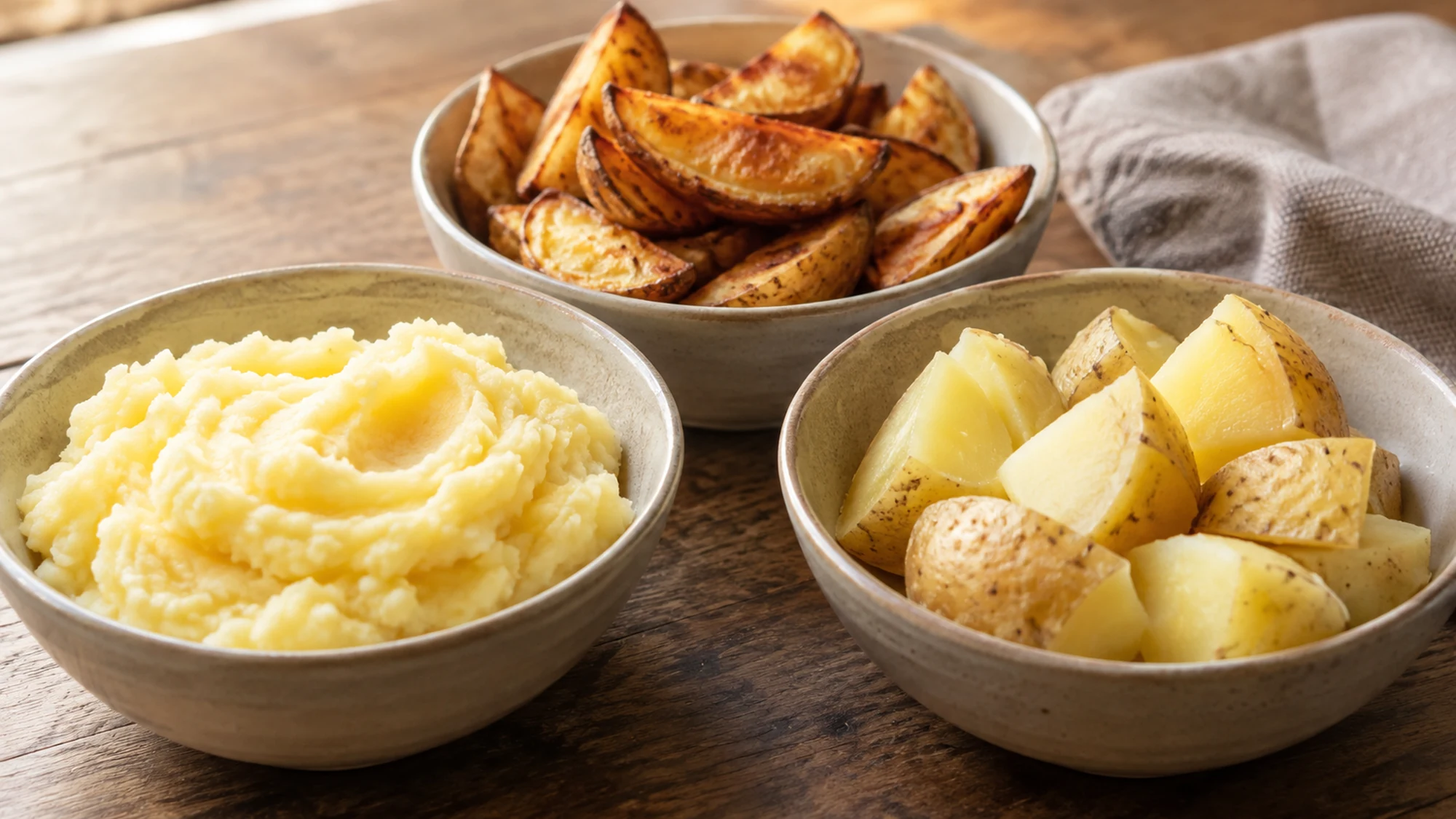
For a hands-on example, Dishora’s mashed-potato guide uses Yukon Golds and a gentle hand masher. A russet can give a lighter, fluffier finish, while a waxy potato usually brings more firmness. Choose the texture you enjoy instead of chasing a universal winner.
Cooking cues that matter more than the clock
Evenly sized pieces are more useful than perfectly neat shapes. Small pieces soften before large ones, so a mixed pot can leave you with disintegrating corners and firm centers. Check tenderness with the point of a knife or a fork; it should enter easily when potatoes are ready for mashing.
- For mash, drain well and mix gently. Vigorous processing can make the texture sticky.
- For roasting, dry the cut surfaces and leave space between pieces so moisture can escape.
- For a soup or stew, consider when the potatoes go in; long simmering can soften even a variety that holds together reasonably well.
Use the recipe’s timing as a guide, then let tenderness and the intended texture decide when the potatoes are ready.
Buying and storing Yukon Gold potatoes
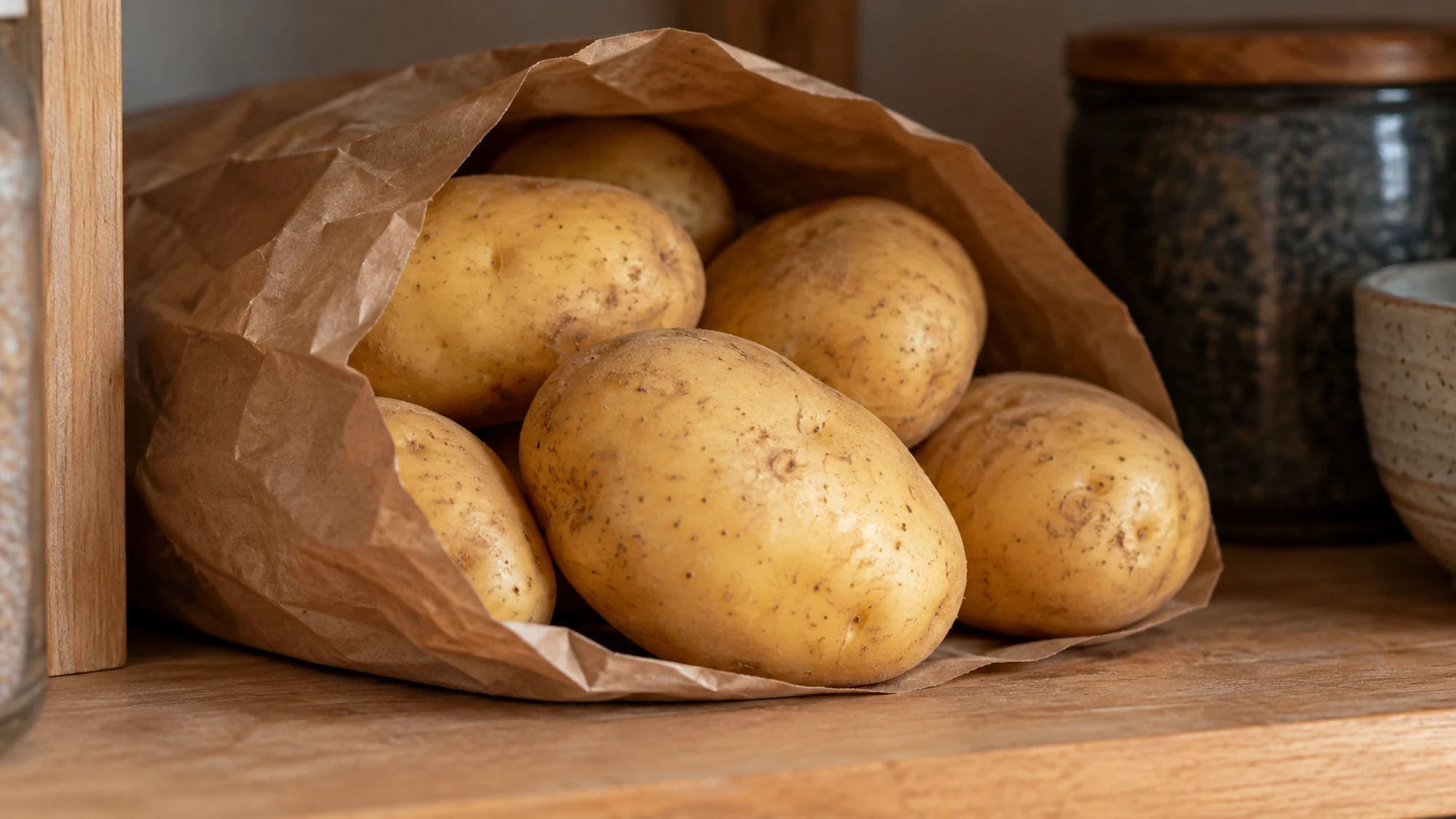
Choose firm potatoes without soft spots, mold, an unpleasant smell or greening. Nebraska Extension recommends keeping unwashed potatoes in a cool, dark, well-ventilated place. A closed damp plastic bag or a sunny counter works against those conditions. Buy an amount you can reasonably use.
- Leave washing until preparation; remove loose dirt with a dry towel for storage.
- Check the bag occasionally and remove damaged or rotting potatoes.
- Keep potatoes away from strong light and give the container airflow.
Green areas deserve attention. The Canadian Food Inspection Agency advises avoiding potatoes showing greening, damage, rot or sprouting. Elevated glycoalkaloids can cause bitterness or burning, and cooking does not reliably remove these compounds. Do not taste a suspect potato to test it.
Easy swaps, with realistic expectations
If Yukon Gold potatoes are unavailable, another yellow potato is often the closest practical place to begin for ordinary roasting or mashing. It may not behave identically. For a structured gratin or salad, prioritize a potato that keeps its shape; for an airy baked center, a russet may suit the job better.
- Swap by the recipe’s weight rather than assuming all “medium” potatoes are equal.
- Keep the cut size consistent and check doneness as you cook.
- Expect a different shade or texture instead of adding extra fat to imitate the color.
My preference is to let the potato do what it does well. Keep Yukon Golds on the list for a creamy, adaptable result, store them carefully, and choose a different type when the dish calls for a different texture. A potato bag need not become a personality test.

Emily Parker is DISHORA’s recipe-writing persona, bringing a warm, practical voice to everyday cooking. Her focus is simple ingredients, comforting flavors and clear steps that make a dish feel approachable. From cozy dinners to something sweet, Emily’s recipes invite readers to try something delicious and make it their own.