
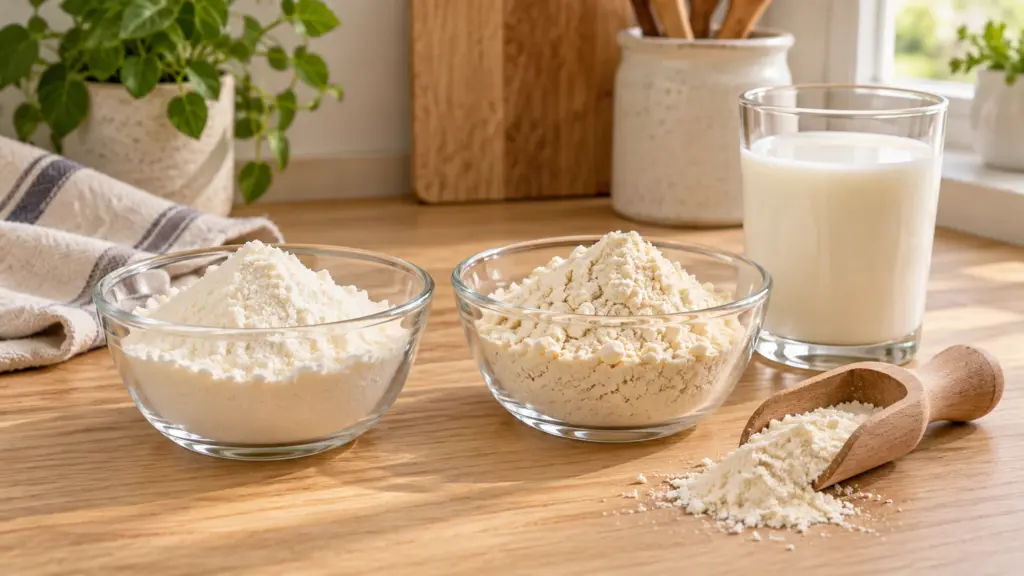
Two protein tubs can look almost identical until you turn them around. One emphasizes isolate; the other simply says whey. Before paying for the bigger promise, it helps to know that whey isolate is already a type of whey protein, rather than a separate rival.
The useful comparison is usually whey isolate and whey protein concentrate. Isolate removes more nonprotein material; concentrate retains more. Compare the actual serving, ingredients, lactose information and price instead of treating either name as an automatic winner.
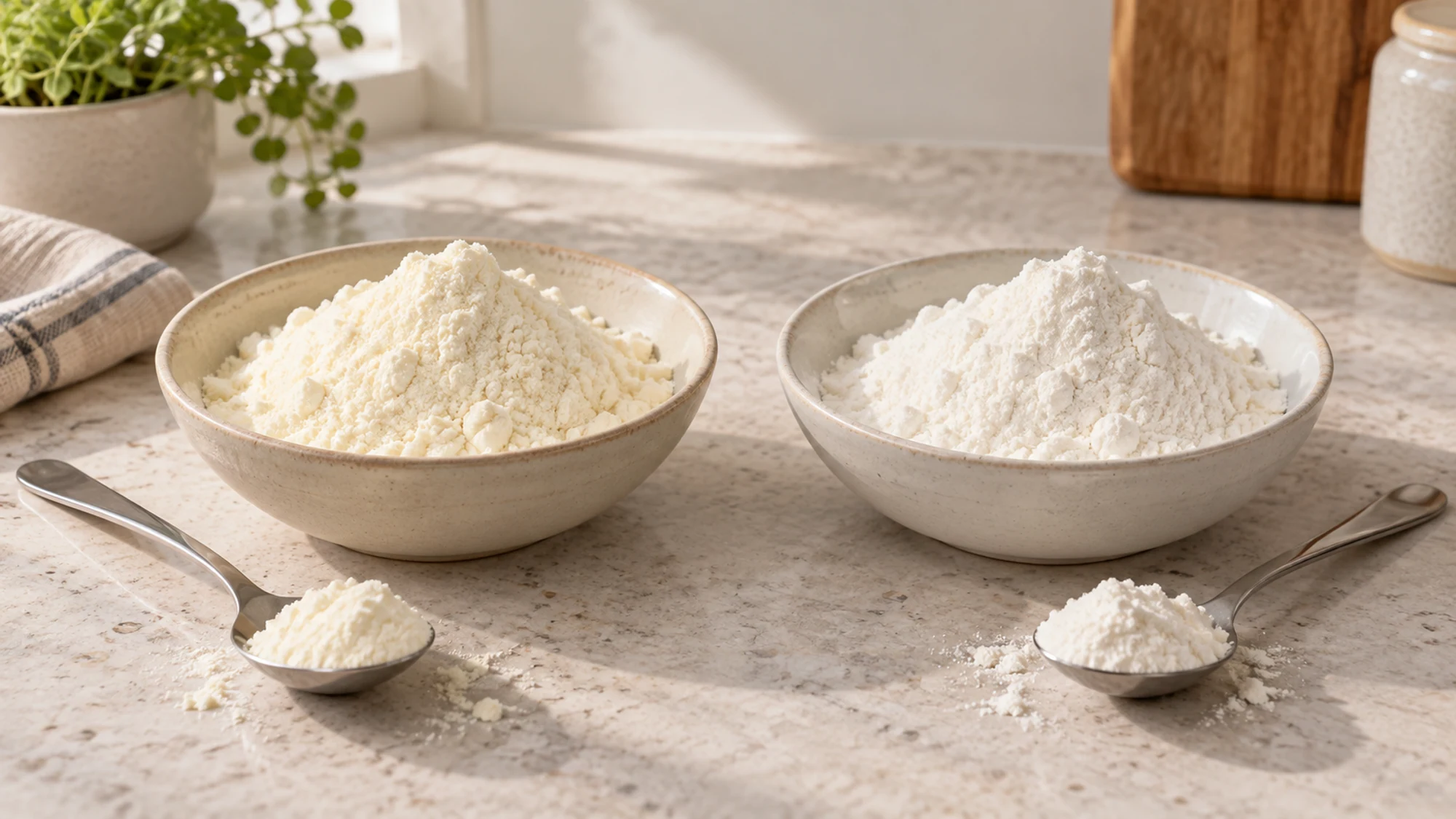
Whey isolate and whey protein: the naming difference
Whey is the milk-protein family; isolate and concentrate describe forms within it. A tub labeled “whey protein” might contain concentrate, isolate, or a blend, so the ingredient list supplies the missing detail.
The American Dairy Products Institute’s isolate definition describes an ingredient containing at least 90% protein on a dry-matter basis. That is a specification for the ingredient, not a promise that a flavored retail scoop is 90% protein after cocoa, sweeteners and other additions.
- Concentrate: a broader range of protein concentrations; the exact grade matters.
- Isolate: more concentrated protein, usually with less lactose and fat in the ingredient.
- Blend: several whey ingredients combined; read their order rather than assuming a percentage.
Compare the product you will actually use
The ADPI concentrate standard covers different protein grades, which is why one universal concentrate number would mislead. For shopping, the nutrition panel is more useful than a comparison between two different-sized scoops. I would start with the protein grams you actually want, then work backward to the powder needed.
| Check | What it tells you |
|---|---|
| Serving weight, in grams | Makes differently sized scoops comparable. |
| Protein, in grams | Shows the protein delivered by that serving. |
| Total carbohydrate and fat | Reflects the complete flavored product. |
| Ingredients and allergen statement | Identifies whey forms and additional ingredients. |
| Price for equal protein | Gives a fairer value comparison than tub size. |
For example, a hypothetical 30-gram serving with 24 grams of protein provides 80% protein by powder weight: 24 ÷ 30 × 100. This arithmetic describes that serving only. It does not independently verify the ingredient’s specification or purity.
Less lactose does not mean milk-free
Isolate typically contains less lactose than concentrate, but “isolate” alone does not guarantee a lactose-free finished product. Flavored powders can contain other milk ingredients, and individual tolerance differs. The NIDDK’s lactose guidance explains why the amount tolerated is personal.
Milk allergy is a different issue. Whey is a milk protein, so removing much of the lactose does not make it suitable for someone avoiding milk protein. The FDA’s food-allergy guidance is the relevant reference here; follow your individual allergy advice rather than trying a powder on the strength of its front label.
Choose according to the actual product and your needs. A lower-lactose ingredient is not the same thing as an allergen-free food.
Protein needs matter more than the premium label
Both concentrate and isolate can contribute protein. The NIH Office of Dietary Supplements notes that foods can often meet athletes’ protein needs, with supplements useful when additional protein is needed. An isolate label does not prove that a particular person will gain more muscle than with adequate protein from another suitable source.
- Look at your usual meals before adding another supplement.
- Choose a flavor and texture you can comfortably use, without assuming a processing term predicts either.
- Compare cost for the same amount of protein, using the serving information.
- If you have a medical condition or need an individualized protein target, ask your clinician or registered dietitian.
I would also keep a practical food option in view. Dishora’s homemade yogurt guide explains a different dairy staple; it is not nutritionally interchangeable with a measured scoop of powder, but it can help you think beyond the shaker.
Choose the difference that matters to you
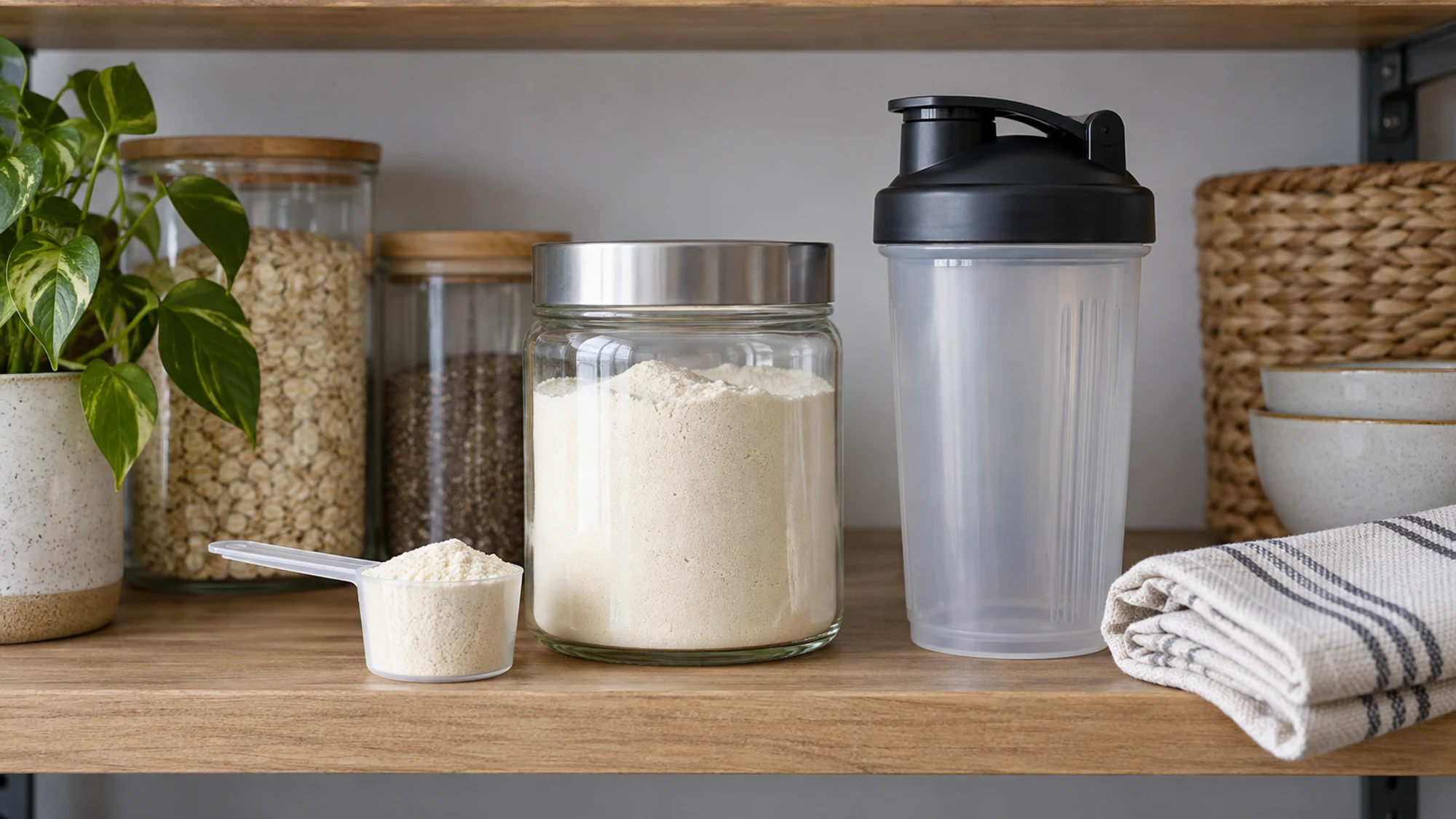
For a fair price comparison, divide the container price by its total grams of protein: price ÷ (servings × protein per serving). Use current package figures and the same currency. This avoids paying attention to a large tub that contains more powder but less protein per gram.
For mixing and storage, follow the label’s liquid quantity and storage instructions. Keep the scoop dry, close the container, and do not assume that changing powders in a baking recipe will preserve its texture. Protein powder is an ingredient, not a tiny bag of flour wearing gym clothes.
My preference is the simplest comparison: an appropriate product you tolerate, a useful protein amount and a fair price. Isolate can solve a specific need; it does not need to win every shopping basket.
Sources
- ADPI: whey protein isolate standard
- ADPI: whey protein concentrate standard
- NIDDK: eating with lactose intolerance
- FDA: food allergies
- NIH Office of Dietary Supplements: exercise and athletic performance

Emily Parker is DISHORA’s recipe-writing persona, bringing a warm, practical voice to everyday cooking. Her focus is simple ingredients, comforting flavors and clear steps that make a dish feel approachable. From cozy dinners to something sweet, Emily’s recipes invite readers to try something delicious and make it their own.