
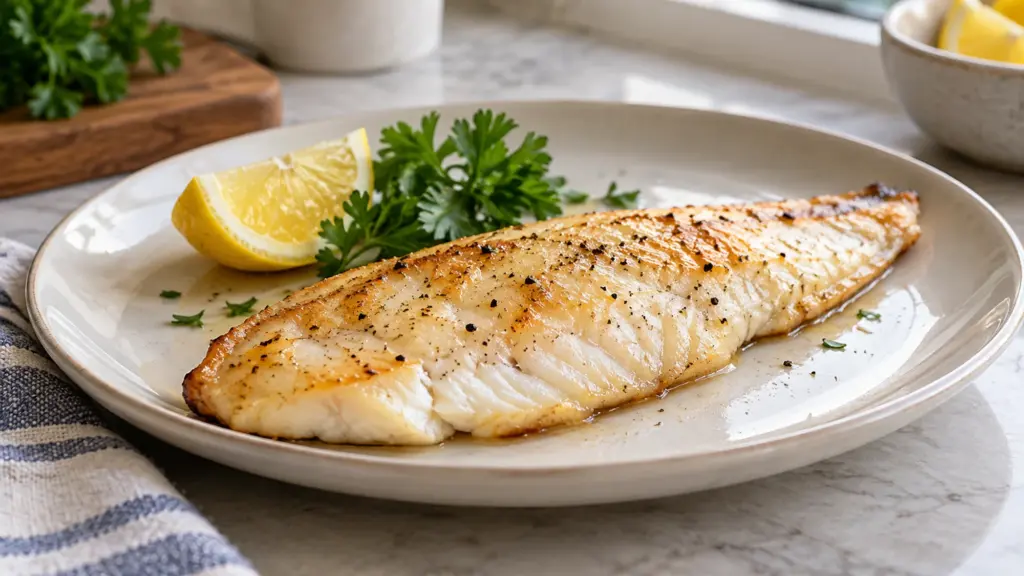
A bag of pale fillets marked swai can leave you wondering whether it is the fish you meant to buy. The name is less familiar than salmon or cod, but the most useful starting point is straightforward: identify the species, read the package, and plan how you will keep it cold.
Swai fish is a freshwater catfish species, Pangasianodon hypophthalmus, also sold under names such as sutchi or striped pangasius. Basa is a related, different species. Choose a clearly identified product and use ordinary fish-handling precautions rather than judging safety by the name alone.
I’d put more weight on a clear label and an intact cold package than on either a glowing sales pitch or a frightening headline. Neither one tells you the condition of the fillets in front of you.
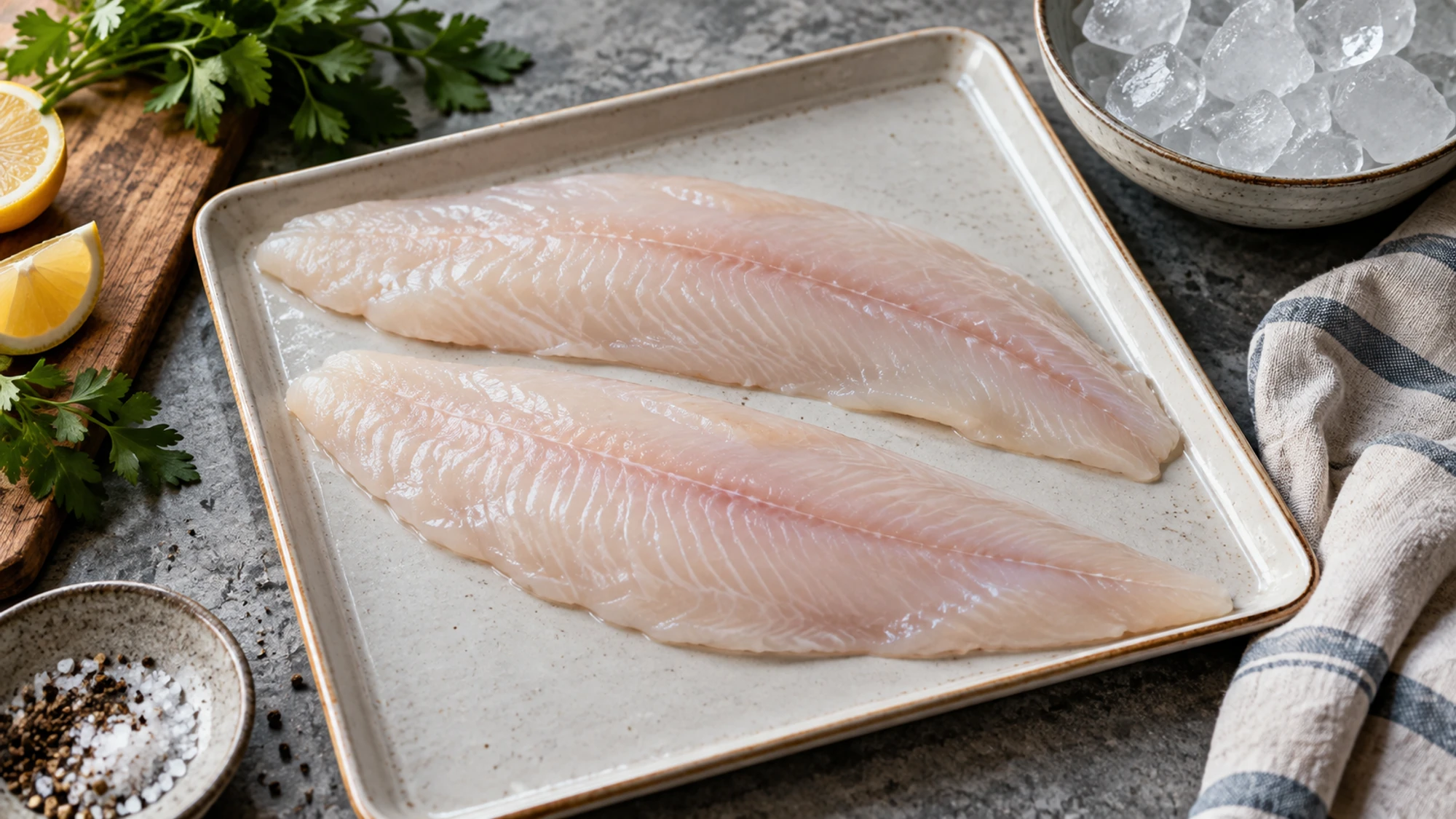
What kind of fish is swai?
The FDA Seafood List identifies swai as Pangasianodon hypophthalmus. Common and market names can overlap in casual conversation, which is why the scientific name is useful when comparing information from different countries.
| Name | Species or meaning |
|---|---|
| Swai, sutchi, striped pangasius | Pangasianodon hypophthalmus |
| Basa | Pangasius bocourti; related, but different |
| Channel catfish | Ictalurus punctatus; a different species |
| White fish | A broad description, not enough to identify swai |
In the United States, USDA FSIS oversees Siluriformes fish, including swai and imported products. That inspection framework matters, but it does not replace checking the specific product, handling it correctly or following a recall.
What to expect from swai fish
Swai is generally chosen as a mild-flavored white fish. Its thin fillets suit meals where lemon, herbs or a sauce provide much of the character, rather than meals built around a strongly flavored fish. Thickness still varies, so a cooking time borrowed from a different fillet is only a starting point.
For nutrition, use the package’s serving weight and Nutrition Facts. Compare plain fillets with plain fillets: breading, sauces and added ingredients change the comparison. A low price or a pale color does not establish a particular protein, sodium or omega-3 amount.
I prefer choosing the fish for the meal, then reading its own label. A mild fillet can be useful without needing a superfood reputation.
Read safety claims with their limits attached
A toxicological review published online in 2016 assessed contaminant information from European import alerts. Its exposure calculations did not support the broad toxicity claims it examined. This was a risk assessment using particular data and assumptions, not a clinical trial or a test of every swai product.
That distinction cuts both ways. An old review cannot certify a current batch, and a report about one contaminated sample cannot characterize all swai. Keep the question specific: which product, which contaminant, what measured amount, and which exposure assumptions?
- Buy from a retailer that keeps the product properly frozen or chilled.
- Keep the brand, lot and purchase details until you have used the fish.
- If a product is recalled, follow that recall’s directions rather than trying to make it acceptable by cooking.
Buy, thaw and cook with care
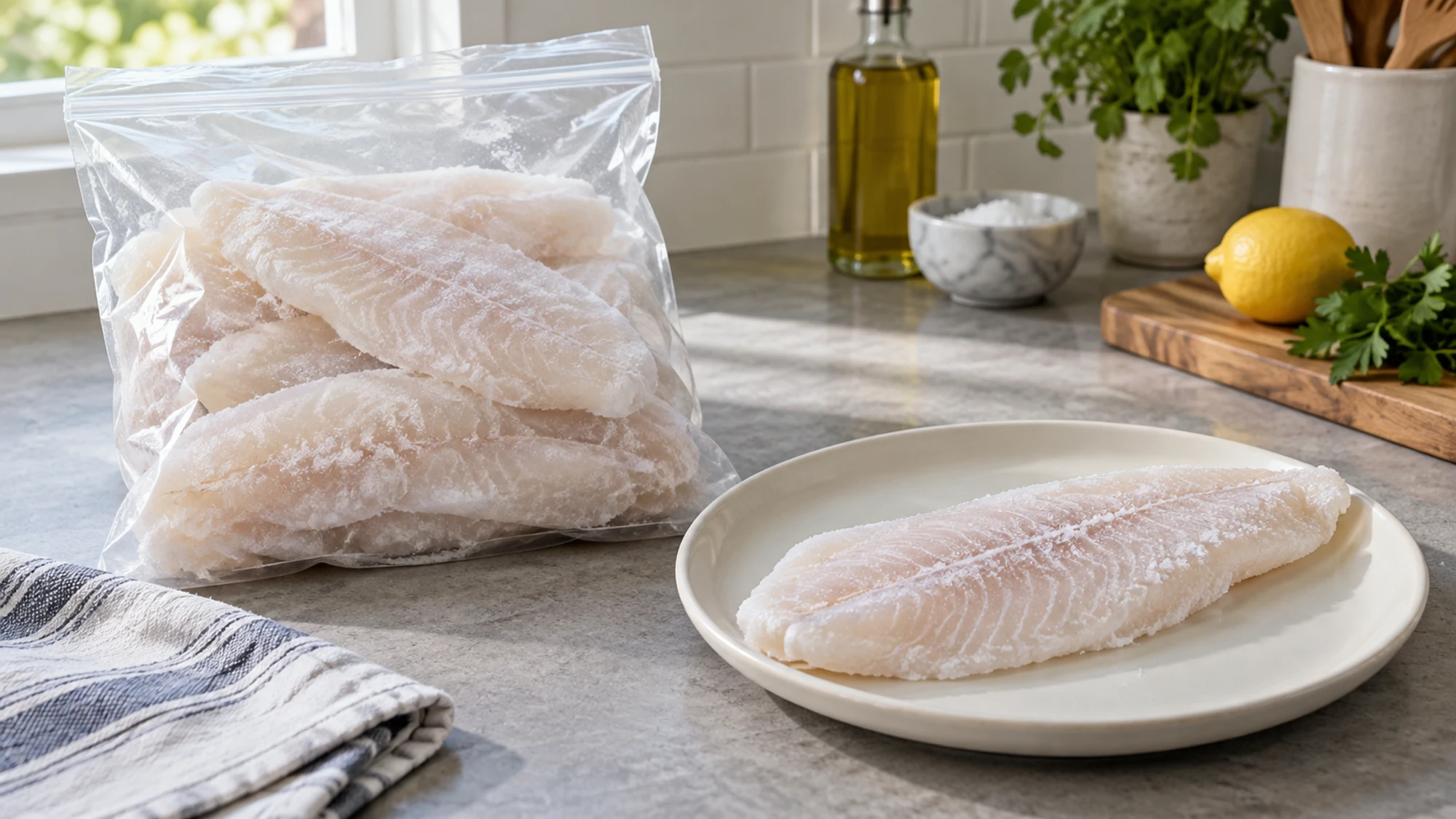
The FDA’s seafood handling guidance recommends avoiding torn packages, fish that is no longer hard-frozen, and heavy frost or ice crystals. Refrigerate at 40°F (4°C) or below and use fresh seafood within two days, or freeze it.
- Thaw in the refrigerator and follow the package’s instructions, including vacuum-package opening directions.
- Keep raw fish and its utensils away from ready-to-eat food; wash preparation surfaces and hands.
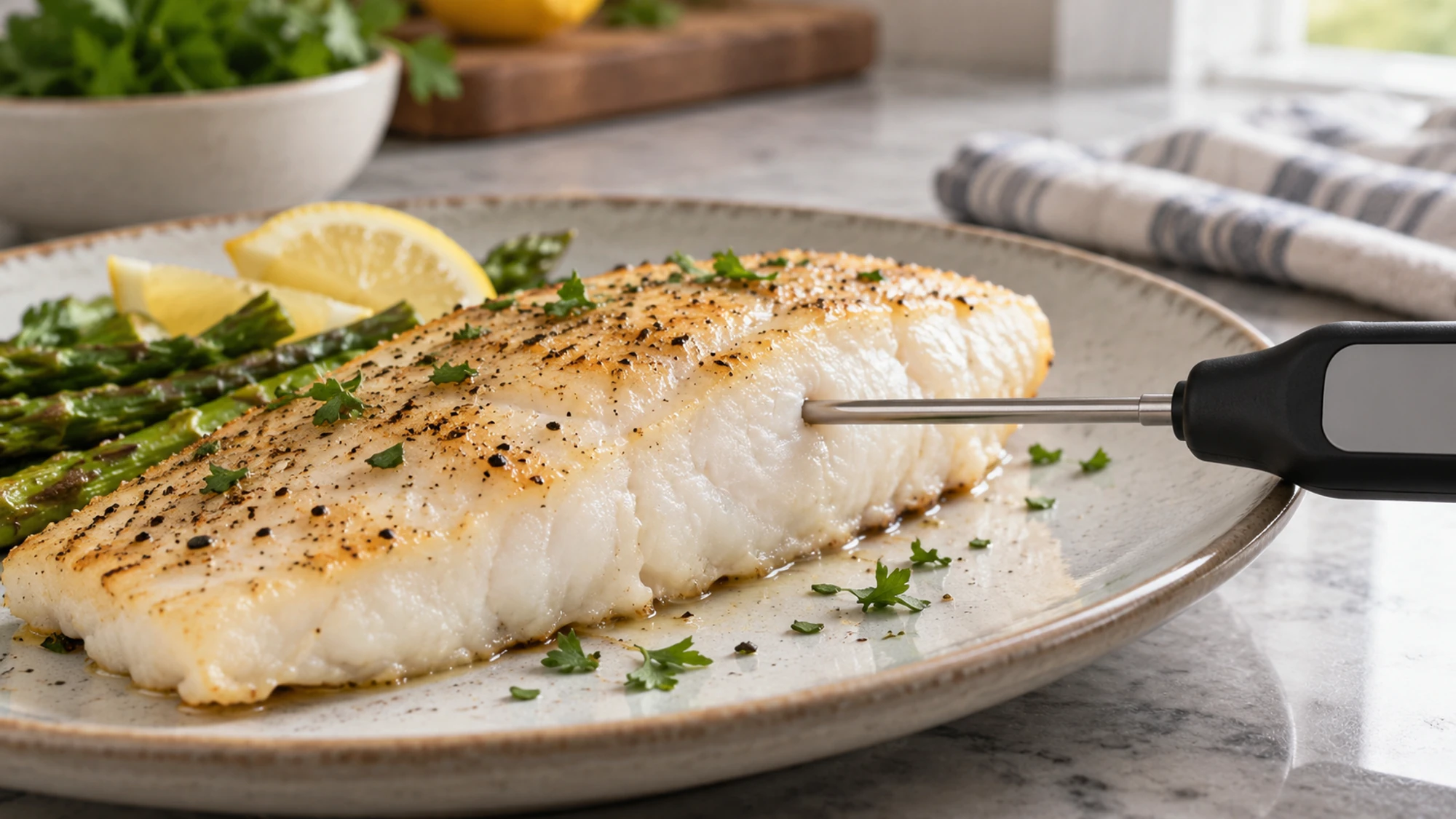
- Cook fish to 145°F (63°C), checking the thickest portion with a food thermometer.
Do not rely on freezing to eliminate every harmful germ. Thorough cooking is the safer choice, especially for people at greater risk from foodborne illness. Keep the finished meal out of refrigeration for no more than two hours, or one hour above 90°F (32°C).
Choose a simple meal around the fillet
A mild fish leaves room for a bright side dish. Our chickpea cucumber salad offers lemon, herbs and crunch; plain rice-cooker quinoa is another option when you want a grain-style base.
Identify the species, read the full package and keep the fish cold. Those practical checks tell you more about your next meal than a blanket claim that every swai fillet is either perfect or dangerous.
Sources
- FDA Seafood List: swai.
- USDA FSIS: inspection of Siluriformes.
- Murk and colleagues: pangasius toxicological review.
- FDA: selecting and serving seafood safely.

Emily Parker is DISHORA’s recipe-writing persona, bringing a warm, practical voice to everyday cooking. Her focus is simple ingredients, comforting flavors and clear steps that make a dish feel approachable. From cozy dinners to something sweet, Emily’s recipes invite readers to try something delicious and make it their own.