
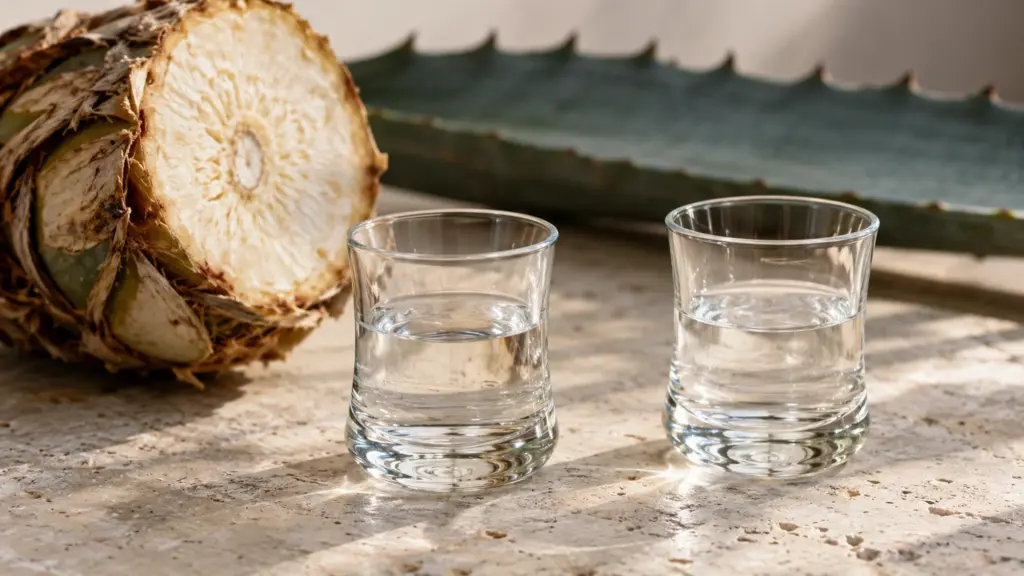
Two clear spirits, one agave connection, and a shelf full of labels: a mezcal vs tequila comparison can feel less straightforward than it should. The useful differences begin with the plant and production rules, rather than a promise that one bottle will always taste smoky or smooth.
Tequila uses blue agave under its own Mexican production standard. Mezcal can use different agaves under a separate standard. Cooking, fermentation, aging and alcohol strength help explain the bottle; smoke alone does not.
I’d start with what the label actually tells you, then consider the flavor you want. A smoky description is a clue, not a complete buying guide, and neither spirit deserves a health halo.
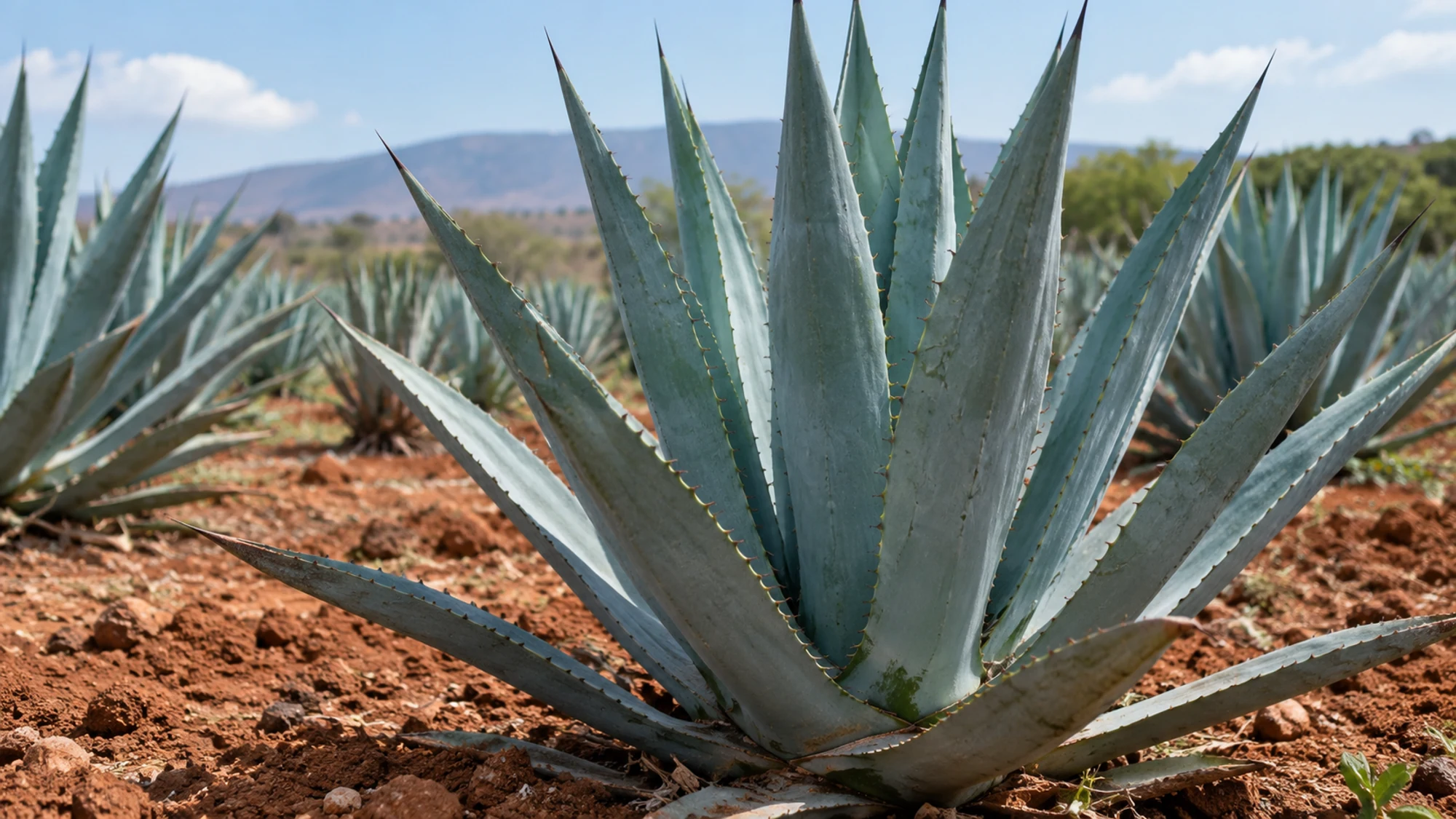
Mezcal vs tequila at a glance
Both are Mexican agave spirits with protected origins and distinct rules. The Tequila Regulatory Council explains tequila’s blue-agave requirement; Mexico’s mezcal standard, NOM-070, defines a separate 100% agave spirit and its production categories. Treat them as related traditions with different identities.
| Feature | Tequila | Mezcal |
|---|---|---|
| Agave | Blue agave only | Different permitted agaves |
| Sugar source | 100% agave or the tequila category | 100% agave |
| Production labels | Blanco, reposado, añejo and others | Mezcal, artesanal or ancestral |
| Cooking | Methods under the tequila standard | Methods depend on production category |
| Strength | Read the bottle’s ABV | Read the bottle’s ABV |
Compare the actual labels and the same serving size. The category name cannot tell you everything about flavor, strength or how a particular bottle was made.
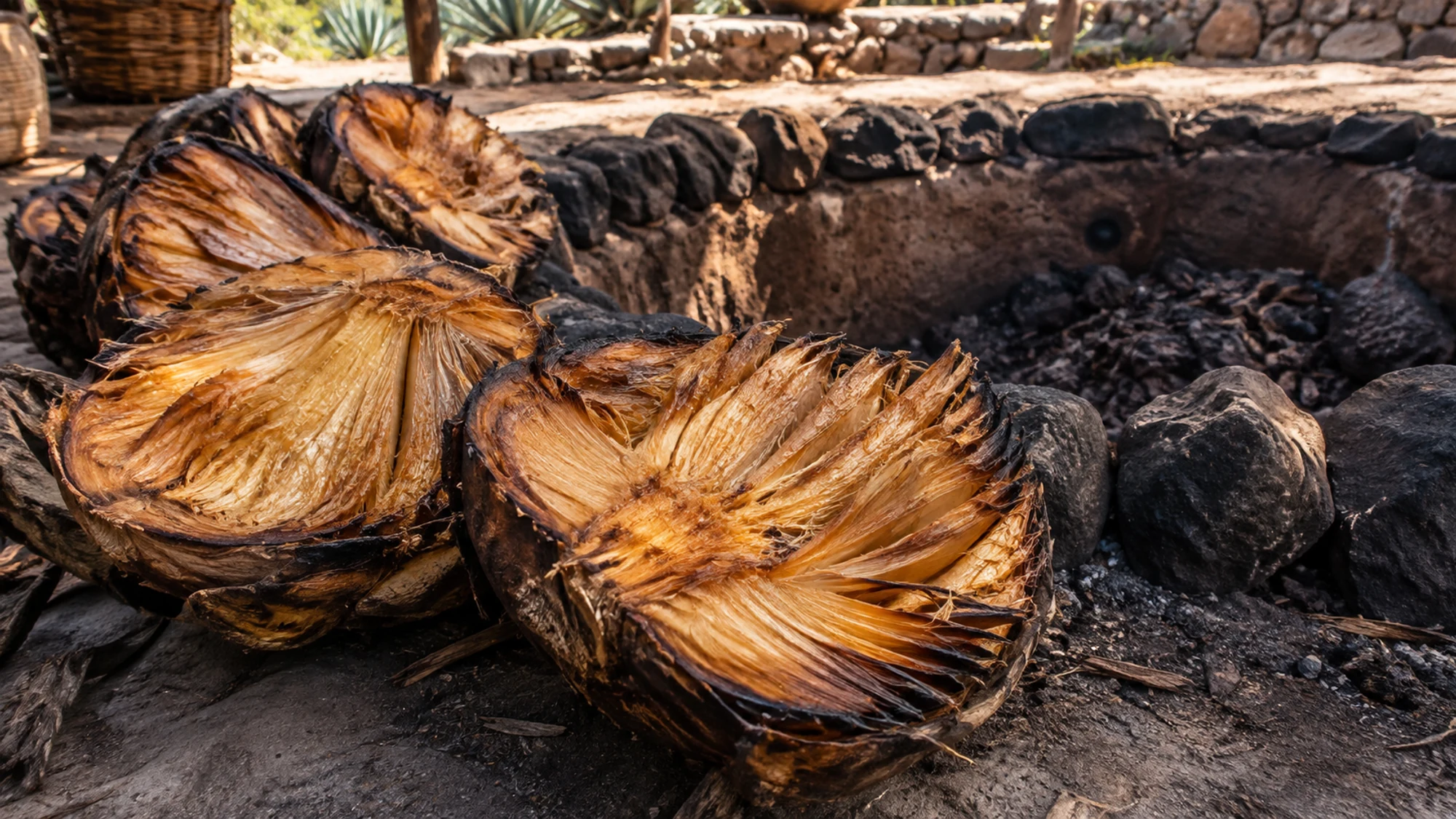
Why smoke is only part of the flavor
Traditional pit cooking helps explain the smoke associated with many mezcals, but intensity varies. Producer Del Maguey describes how cooking contributes smoky character. Its production account is useful context, not independent proof that every mezcal tastes alike or that more smoke means better quality.
- Ask about the specific bottle. A producer’s tasting notes are more useful than assuming an entire category has one flavor.
- Separate production from aging. Wood maturation is a different process from cooking the agave; a darker color does not measure smokiness.
- Leave room for preference. An assertive roasted note may suit one drink and dominate another. Neither reaction needs defending.
I prefer a description of the actual bottle over a smoky-versus-smooth shortcut. Ask what was made, how it was made and what character to expect.
Read these label details before choosing
The words on the bottle answer different questions. Keep the agave statement, production category, aging class and strength separate rather than letting one attractive word do all the work.
- Tequila’s agave statement: “100% agave” means all its fermentable sugars come from blue agave. The tequila category permits other sugars alongside at least 51% blue-agave sugars, as the CRT explains.
- Mezcal’s category: Mezcal, artesanal and ancestral identify production requirements. These words are not a personal flavor ranking.
- Aging class: Blanco, reposado and añejo describe different post-distillation treatments. Do not assume the same word has identical detailed rules for both spirits.
- ABV: Alcohol by volume is a percentage. Compare it directly rather than judging strength by color, price or how gentle a sip seems.
A clear, traceable label matters more to me than an elaborate bottle. If essential information is missing, ask the seller rather than filling the gaps with assumptions.
What changes when you swap them in a drink
A substitution changes the drink’s character, even when the measured volume stays the same. Start with a formula written for the spirit you have, especially when a strongly flavored bottle might compete with delicate ingredients.
- Match the intended role. Is the spirit providing a clean background or a prominent roasted character? Read the bottle description before deciding.
- Keep sweetness adjustable. Our simple syrup guide explains measured sweetening for cold drinks. Extra syrup does not cancel extra alcohol.
- Check strength before swapping. Equal volumes of bottles with different ABVs contain different amounts of alcohol. Flavor balance and alcohol content are separate questions.
There is no need to turn the comparison into a cocktail project. For an alcohol-free warm drink with a different character, our cinnamon-scented café de olla is another option.
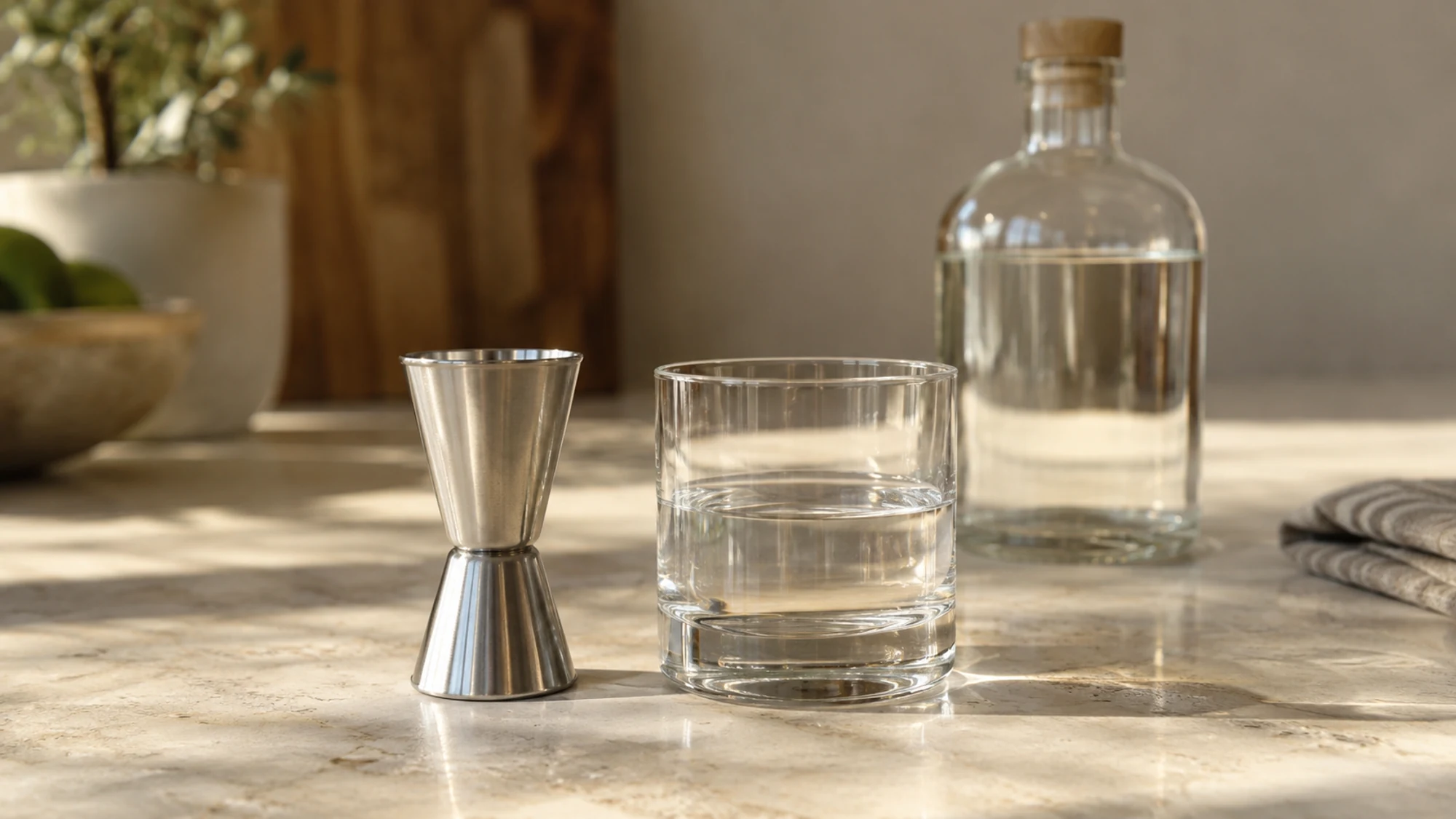
Alcohol strength and health: keep the comparison honest
According to NIAAA’s standard-drink explanation, 1.5 US fluid ounces of 40% ABV spirits contains about one US standard drink, or 14 grams of alcohol. A larger pour or stronger bottle contains more. “100% agave” describes ingredients; it does not mean lower risk.
- CDC explains that alcohol-containing drinks increase cancer risk; choosing mezcal over tequila does not remove that concern.
- Do not use either spirit as a source of nutrients or a wellness strategy.
- Choosing not to drink is a valid option. This guide offers a comparison, not a reason to start.
Choose with accurate label information and your own preferences, keep the amount in view, and leave health promises out of the decision. The most useful difference is the one the actual bottle supports.
Sources
- Tequila Regulatory Council: production and categories
- Mexican government: NOM-070 mezcal standard
- Del Maguey: producer explanation of smoky flavor
- NIAAA: US standard drinks
- CDC: alcohol and cancer

Emily Parker is DISHORA’s recipe-writing persona, bringing a warm, practical voice to everyday cooking. Her focus is simple ingredients, comforting flavors and clear steps that make a dish feel approachable. From cozy dinners to something sweet, Emily’s recipes invite readers to try something delicious and make it their own.